The Best Ground Cover Plants For Walkways in 2024
Last year I made a paver patio and walkway and I have been on the hunt for the best plants for walkways like ones I made. I have several requirements so finding the write ground cover plants has been a bit challenging. Ideally, I wanted something that was low maintenance, did not require a lot of watering, could withstand a lot of sunlight as well as colder weather in the winters, did not attract a lot of bees since we would be walking on it, could hold up to moderate foot traffic and didn’t cost a fortune. Good luck, right? Yeah, I know haha. If you know me, you know I will research anything to death before making a decision. Luckily, that means I’ve done the hard work for you! I spent hours looking for the best walkway plant for the job. I was able to narrow it down to the following 8 plants. Read on to see which one I chose!
1. Creeping Thyme (Thymus serpyllum)

Description: Creeping Thyme is a low-growing, perennial herb that forms a dense, mat-like ground cover. This is a versatile, hardy plant that enhances the beauty and functionality of gardens, particularly in high-traffic areas where its durability and aromatic qualities can be fully appreciated.
Appearance:
- Height: Typically grows 1-3 inches tall.
- Spread: Can spread up to 12-18 inches wide.
- Leaves: Small, aromatic, and usually a vibrant green, though some varieties may have a silvery or variegated appearance.
- Flowers: Produces tiny flowers in shades of pink, purple, or white, which bloom in late spring to early summer.
Growing Conditions:
- Sunlight: Prefers full sun but can tolerate partial shade.
- Soil: Well-drained soil is essential. Creeping Thyme thrives in sandy or rocky soils and can tolerate poor fertility.
- Water: Drought-tolerant once established. Water moderately during dry periods but avoid overwatering.
- Climate: Hardy in USDA zones 4-9. It can handle a range of temperatures but may need protection in extremely cold climates.
Benefits:
- Aesthetic Appeal: Adds a lush, green carpet to the landscape with seasonal bursts of colorful flowers.
- Low Maintenance: Requires minimal care once established
- Ideal for filling in gaps between pavers, along walkways, and in rock gardens due to its low-growing and spreading habit.
2. Dymondia (Dymondia margaretae)
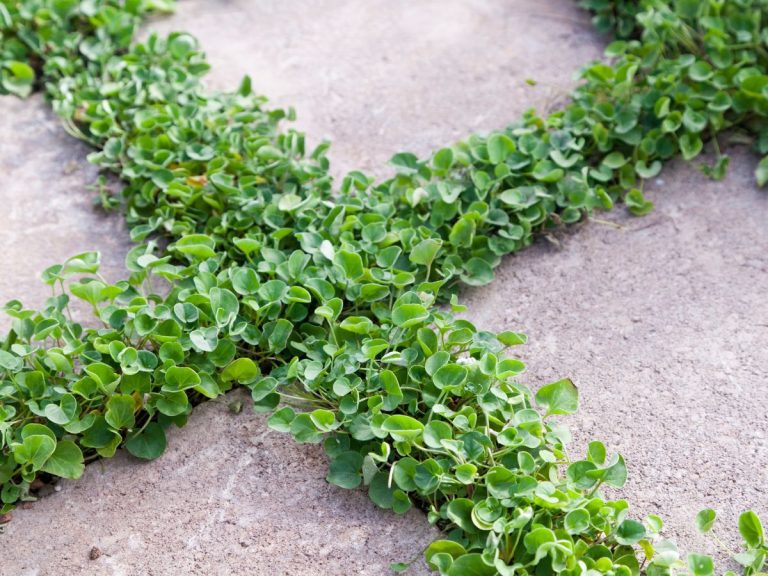
Description: Dymondia, also known as Silver Carpet, is a low-growing, perennial ground cover. It is admired for its silver-green foliage and its ability to form a dense, attractive mat that is tolerant of drought and light foot traffic. Dymondia is an excellent choice for gardeners looking to create a low-maintenance, drought-tolerant ground cover that is both functional and visually appealing
Appearance:
- Height: Typically grows 1-3 inches tall.
- Spread: Can spread 12-24 inches wide.
- Leaves: Narrow, silver-green leaves with white undersides, creating a silvery appearance.
- Flowers: Produces small, yellow, daisy-like flowers that bloom sporadically throughout the year, primarily in the summer.
Growing Conditions:
- Sunlight: Prefers full sun but can tolerate light shade.
- Soil: Thrives in well-drained soil. It can grow in sandy, loamy, or rocky soils and tolerates poor soil conditions.
- Water: Extremely drought-tolerant once established. Requires minimal watering, making it suitable for xeriscaping.
- Climate: Hardy in USDA zones 9-11. It prefers warmer climates and may need protection from frost in colder areas.
Benefits:
- Aesthetic Appeal: Provides a lush, silver-green carpet that adds texture and visual interest to the landscape. The yellow flowers add a cheerful touch.
- Drought Tolerance: Excellent for water-wise gardens and regions with dry climates.
- Low Maintenance: Requires minimal care once established
Planting Tips:
- Spacing: Plant about 12 inches apart to allow room for spreading and to achieve a dense cover.
- Initial Watering: Water regularly until established, then reduce frequency.
- Weeding: Keep the area weed-free initially to help Dymondia establish itself.
3. Irish Moss (Sagina subulata)

Description: Irish Moss, also known as Sagina subulata, is a low-growing, perennial ground cover plant that forms a dense, moss-like mat. It is often used in gardens for its lush, green appearance and ability to fill in gaps between stones or pavers.
Appearance:
- Height: Typically grows 1-2 inches tall.
- Spread: Can spread up to 12 inches wide, forming a compact, carpet-like cover.
- Leaves: Small, needle-like, bright green leaves that give the plant a mossy appearance.
- Flowers: Produces tiny, star-shaped white flowers in late spring to early summer, adding a delicate charm to its lush foliage.
Growing Conditions:
- Sunlight: Prefers partial shade to full sun. In hotter climates, partial shade is ideal to prevent scorching.
- Soil: Thrives in well-drained, sandy, or loamy soils with good moisture retention. Prefers slightly acidic to neutral soil pH.
- Water: Requires consistent moisture, especially during dry periods. Avoid waterlogging, as it can lead to root rot.
- Climate: Hardy in USDA zones 4-7. Can tolerate cold temperatures but may need some protection in extreme heat.
Care:
- Maintenance: Low maintenance. Occasional trimming can help maintain a neat appearance and encourage dense growth.
Benefits:
- Aesthetic Appeal: Adds a vibrant, green ground cover with a soft, mossy texture that enhances garden aesthetics.
- Year-Round Interest: Maintains its color and form throughout the year, providing continuous ground cover.
- Low Maintenance: Requires minimal care once established, making it a great choice for busy gardeners.
4. Corsican Mint (Mentha requienii)

Description: Corsican Mint is a low-growing, perennial herb that forms a dense, mat-like ground cover. Known for its tiny, aromatic leaves and small purple flowers, Corsican Mint is a popular choice for gardeners seeking a fragrant, lush ground cover.
Appearance:
- Height: Typically grows 1-2 inches tall.
- Spread: Can spread up to 6-12 inches wide.
- Leaves: Small, rounded, and bright green, giving off a strong minty aroma when brushed or crushed.
- Flowers: Produces tiny, light purple flowers in mid to late summer.
Growing Conditions:
- Sunlight: Prefers partial shade to full shade but can tolerate some morning sun.
- Soil: Thrives in moist, well-drained soil. It prefers rich, loamy soils but can adapt to a variety of soil types as long as they retain moisture.
- Water: Requires consistent moisture, especially in hot weather. Do not allow the soil to dry out completely.
- Climate: Hardy in USDA zones 7-9. Can be sensitive to extreme cold and may need protection in colder climates.
Benefits:
- Aesthetic Appeal: Adds a lush, green carpet to the landscape with a fine texture and small, charming flowers.
- Fragrance: The strong minty aroma is refreshing and can help to deter pests.
- Low Maintenance: Requires minimal care once established
Tips for Growing Corsican Mint:
- Mulching: Apply a layer of mulch around the plants to help retain soil moisture and keep the roots cool.
- Fertilization: Use a balanced, slow-release fertilizer in the spring to encourage healthy growth.
- Winter Care: In colder climates, protect Corsican Mint with a layer of mulch or grow it in containers that can be moved indoors during the winter.
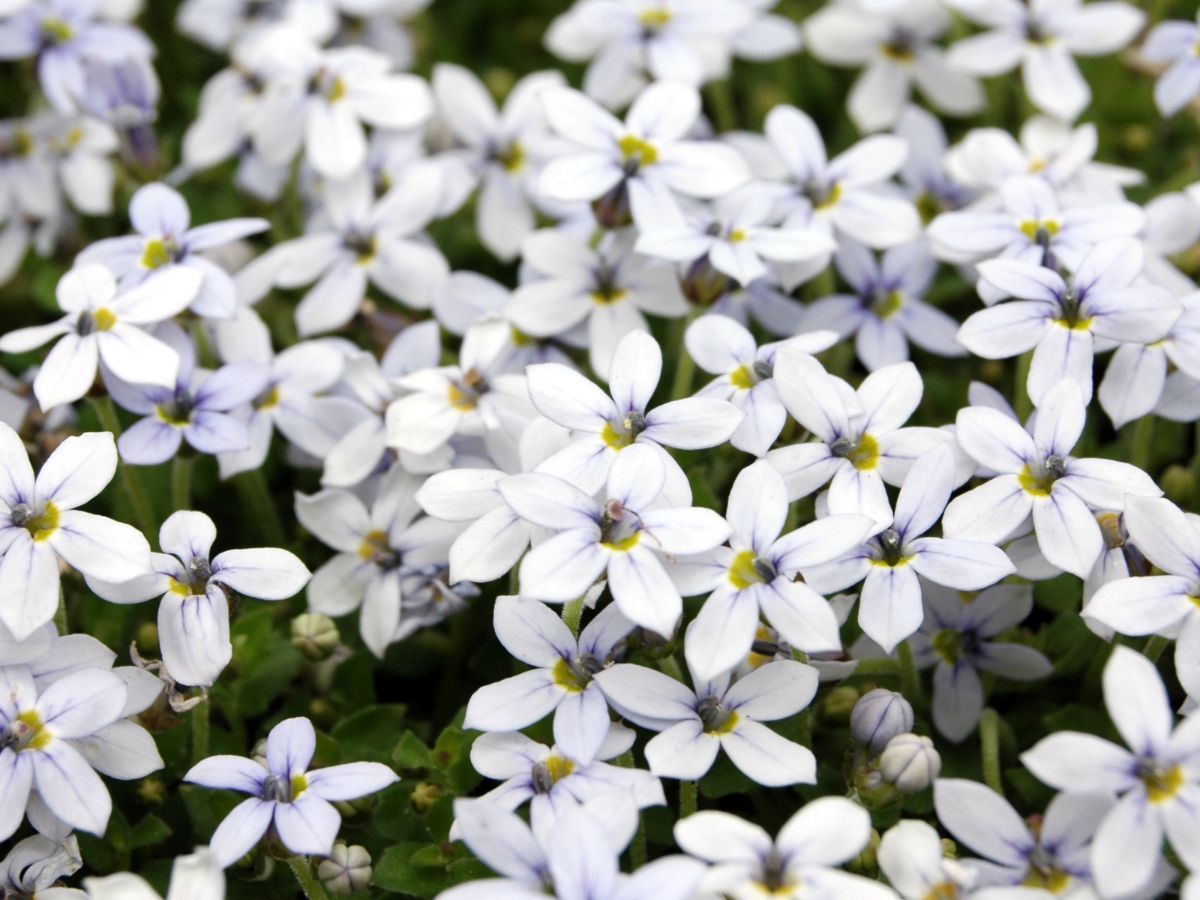
5. Blue Star/White Star Creeper (Isotoma fluviatilis) – Emily’s Favorite Plant for Walkways

Description: Blue Star Creeper, also known as Laurentia fluviatilis or Pratia pedunculata, is a low-growing, mat-forming perennial ground cover known for its delicate blue star-shaped flowers. Blue Star Creeper is a versatile, attractive ground cover that adds charm and functionality to garden spaces. Its low-maintenance nature and ability to withstand moderate foot traffic make it an excellent choice for pathways, garden beds, and more.
Appearance:
- Height: Typically grows 2-3 inches tall.
- Spread: Can spread rapidly, covering areas up to 18 inches wide or more.
- Leaves: Small, rounded to oval, bright green leaves that form a dense carpet.
- Flowers: Produces tiny, star-shaped blue or white flowers from late spring to early summer, often blooming sporadically throughout the growing season.
Growing Conditions:
- Sunlight: Prefers full sun to partial shade. In hotter climates, some afternoon shade can prevent leaf scorching.
- Soil: Thrives in well-drained soil but can tolerate a variety of soil types, including sandy, loamy, and clay soils.
- Water: Prefers consistent moisture, especially during hot, dry periods. However, it is somewhat drought-tolerant once established.
- Climate: Hardy in USDA zones 5-9. It can tolerate a range of temperatures but may need winter protection in the coldest regions.
Benefits:
- Aesthetic Appeal: Adds a lush, green carpet to the landscape with charming, star-shaped blue flowers that enhance visual interest.
- Low Maintenance: Requires minimal care once established
Tips for Success:
- Spacing: Plant 6-12 inches apart to allow room for spreading and to achieve full coverage more quickly.
- Watering: Keep the soil consistently moist, especially during the first growing season, to help the plants establish.
- Fertilizing: Apply a balanced, slow-release fertilizer in the spring to encourage vigorous growth and flowering.
6. Elfin Thyme (Thymus praecox ‘Elfin’)

Description: Elfin Thyme is a dwarf variety of Creeping Thyme, renowned for its extremely low-growing habit and dense, mat-forming foliage. It is a hardy, evergreen perennial that is cherished for its delicate appearance and aromatic properties, making it a popular choice for ground cover in gardens.
Appearance:
- Height: Typically grows to a mere 1-2 inches tall.
- Spread: Can spread 6-12 inches wide.
- Leaves: Very small, closely packed, and green with a pleasant fragrance.
- Flowers: Produces tiny, pale pink to lavender flowers in late spring to early summer, creating a subtle, yet beautiful, floral display.
Growing Conditions:
- Sunlight: Thrives in full sun but can tolerate partial shade.
- Soil: Prefers well-drained soil and can adapt to sandy, rocky, or loamy conditions. It tolerates poor soil fertility.
- Water: Drought-tolerant once established. Requires moderate watering during dry periods but ensure the soil does not remain waterlogged.
- Climate: Hardy in USDA zones 4-9. Can withstand a range of temperatures, though extreme cold may necessitate some protection.
Benefits:
- Aesthetic: Adds a lush, green carpet with seasonal floral highlights, enhancing the visual appeal of gardens.
- Durable: Can handle light foot traffic, making it suitable for high-use areas like pathways and patios.
- Low Maintenance: Requires minimal care
Planting Tips:
- Ensure the planting area receives adequate sunlight for optimal growth.
- Prepare the soil by ensuring it is well-drained and free of weeds.
- Space plants 6-12 inches apart to allow for natural spreading.
- Water newly planted Elfin Thyme regularly until established, then reduce watering frequency.
7. Mazus (Mazus reptans)

Description: Mazus reptans, commonly known as Mazus or creeping Mazus, is a low-growing, perennial ground cover plant that is well-loved for its vibrant flowers and dense, carpet-like growth habit.
Appearance:
- Height: Typically grows 2-4 inches tall.
- Spread: Can spread 12-24 inches wide.
- Leaves: Small, oval to lance-shaped leaves that are bright green and form a dense mat.
- Flowers: Produces small, tubular flowers in shades of blue, purple, or white with yellow and white markings, blooming in late spring to early summer.
Growing Conditions:
- Sunlight: Thrives in full sun to partial shade.
- Soil: Prefers moist, well-drained soil but can tolerate a variety of soil types, including clay and loam.
- Water: Requires consistent moisture, especially during dry periods. While it likes moist soil, it does not tolerate waterlogged conditions.
- Climate: Hardy in USDA zones 5-8. It can handle a range of temperatures but performs best in cooler, temperate climates.
Benefits:
- Aesthetic Appeal: Adds a lush, green carpet to the landscape with seasonal bursts of vibrant flowers.
- Low Maintenance: Requires minimal care once established, making it ideal for busy gardeners.
- Durability: Tolerates light foot traffic, making it practical for use between stepping stones and in walkways.
8. Sedum (Stonecrop)

Description: Sedum, commonly known as Stonecrop, is a diverse genus of succulent plants that includes many species and cultivars suitable for ground cover. These low-growing perennials are known for their fleshy, water-retaining leaves and their ability to thrive in various climates and soil conditions. Sedum ground cover plants are valued for their resilience, adaptability, and aesthetic appeal, making them popular choices for gardeners seeking low-maintenance solutions for ground cover, erosion control, and landscape enhancement.
Appearance:
- Height: Typically grows 4-8 inches tall, though some varieties may grow taller.
- Spread: Can spread up to 12-24 inches wide, forming dense mats over time.
- Leaves: Thick, fleshy, and often arranged in rosettes or clusters. Colors range from green to blue-green, purple, or variegated, depending on the species and variety.
- Flowers: Clusters of star-shaped flowers in shades of white, pink, red, or yellow bloom in late spring to late summer, attracting pollinators like bees and butterflies.
Growing Conditions:
- Sunlight: Prefers full sun to partial shade. Some varieties tolerate shade better than others.
- Soil: Well-drained soil is crucial. Sedum can adapt to various soil types, including poor or rocky soils, as long as they are not waterlogged.
- Water: Drought-tolerant once established. Water sparingly, especially in hot, dry conditions.
- Climate: Hardy in USDA zones 3-9, depending on the species and variety. Some Sedum species are cold-hardy, while others thrive in warmer climates.
Benefits:
- Drought Tolerance: Well-suited to dry, sunny locations and requires minimal watering once established.
- Year-Round Interest: Provides visual interest throughout the year, with evergreen foliage and seasonal blooms.
After narrowing down the list of best plants for walkways, ultimately, I decided to use the Blue Star Creeper for our walkway! I hope this list gives you a good starting point and helps you decide on the best plants for your walkway.