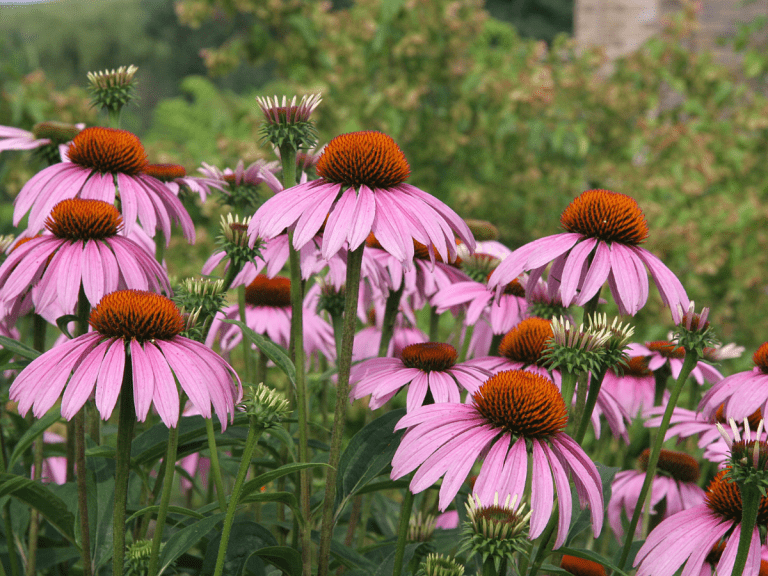
25 Best Landscaping Flowers For Colorado
Gosh, are you as frustrated with your landscaping as I am? I’m going to assume you live in Colorado, like me, if you’re reading this – this place is dryyyyy and I don’t have the time, or desire, to water my plants 500 times a day. Yes, a drip system would solve my problems. It’s on the list, just not very high on the list, haha. I’m a little embarrassed to admit that up until this point in my life I did not know what the difference between a perennial and annual was. Or much about flowers in general, really. But! I finally got sick enough of spending money on flowers that didn’t survive longer than 2 months and decided to put my research skills to work. Turns out I’d be a lot richer had I done that a long time ago, haha! So, as always, I complied and condensed what I learned about the best landscaping flowers for Colorado that way you don’t have to spend hours doing it for yourself! Also, if you’re interested in learning about the best ground cover plants, I researched that too – lol.
Perennials and annuals differ primarily in their life cycles and longevity. Perennials are plants that live for more than two years, consistently growing and blooming over multiple seasons. They typically go through a period of active growth and flowering followed by dormancy, often during winter, and then reemerge in the spring. This makes perennials a more sustainable and cost-effective choice for gardeners, as they do not need to be replanted every year.
In contrast, annuals complete their entire life cycle within a single growing season, from germination to flowering and seed production, after which they die. While this necessitates yearly replanting, annuals offer the advantage of vibrant, season-long color and can be used to fill in gaps in perennial beds or provide a burst of quick-growing color in new gardens.
Perennials
1. Rocky Mountain Columbine (Aquilegia caerulea)
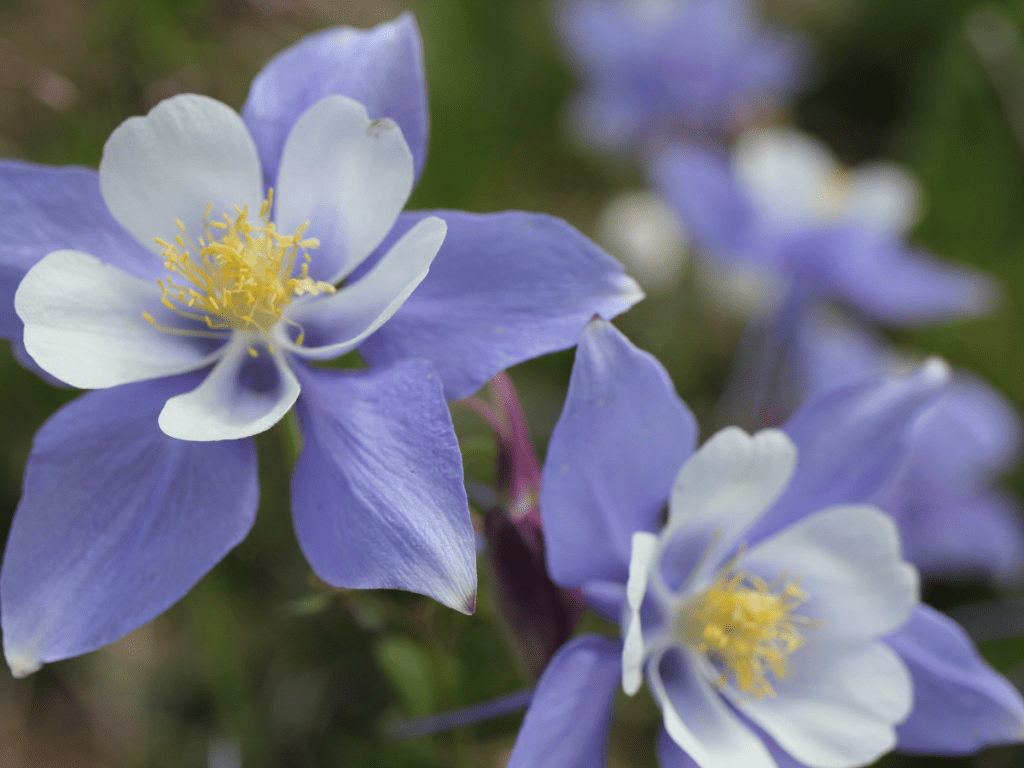
- Description: Colorado’s state flower, known for its distinctive blue and white petals.
- Growing Conditions: Prefers partial shade and well-drained, moist soil.
- Care: Deadhead spent flowers to encourage more blooms. It’s relatively low-maintenance.
2. Purple Coneflower (Echinacea purpurea)
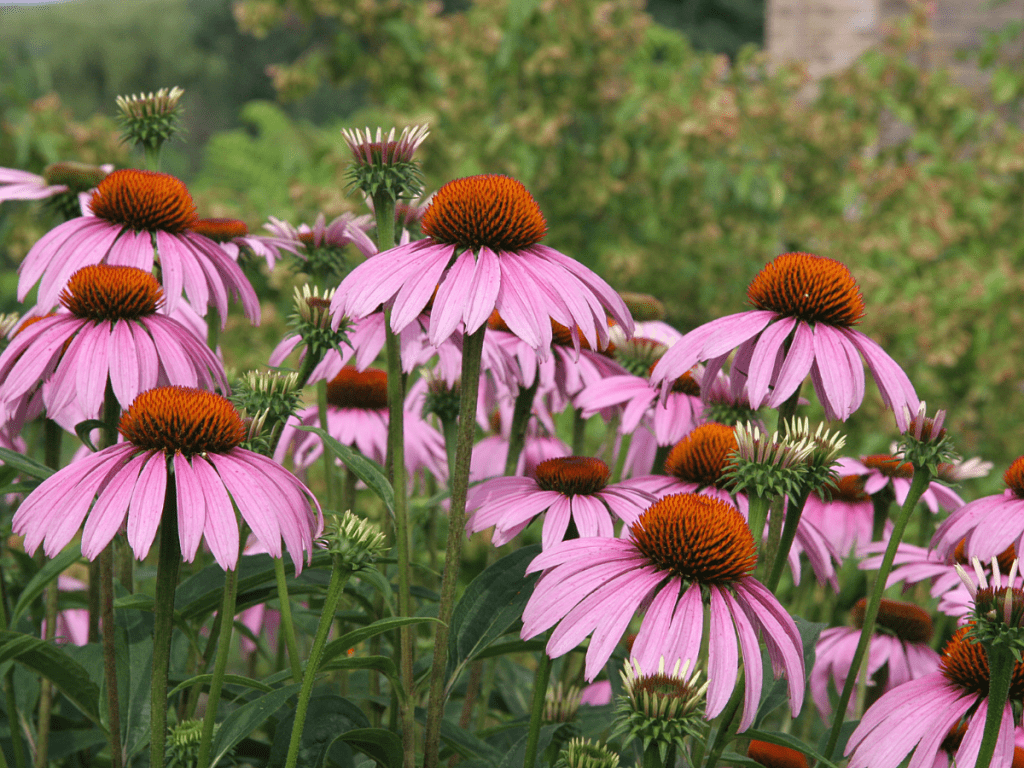
- Description: Hardy perennial with large, daisy-like flowers that have a prominent cone in the center.
- Growing Conditions: Full sun to partial shade, well-drained soil.
- Care: Deadhead to prolong blooming. It is drought-tolerant once established.
3. Blanket Flower (Gaillardia)
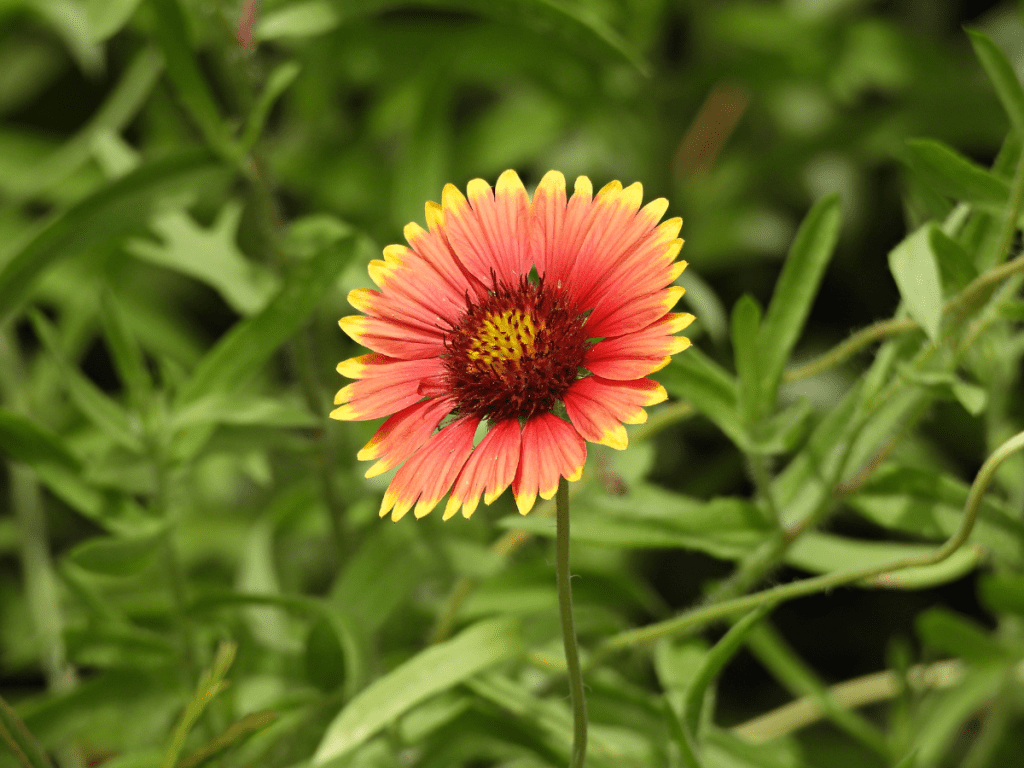
- Description: Bright red, yellow, and orange blooms that are long-lasting.
- Growing Conditions: Full sun, well-drained soil.
- Care: Deadhead regularly. It is drought-tolerant and low-maintenance.
4. Russian Sage (Perovskia atriplicifolia)
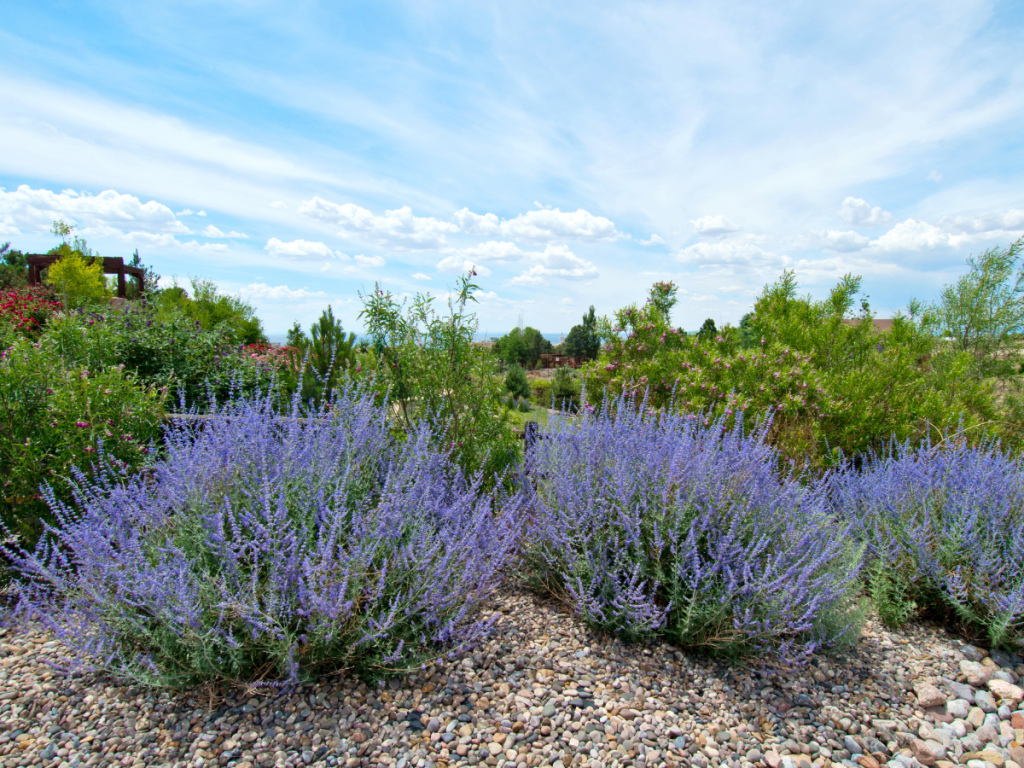
- Description: Tall, airy plant with lavender-blue flowers and aromatic silver-gray foliage.
- Growing Conditions: Full sun, well-drained soil.
- Care: Cut back in early spring to encourage new growth. It’s very drought-tolerant.
5. Penstemon (Penstemon spp.)
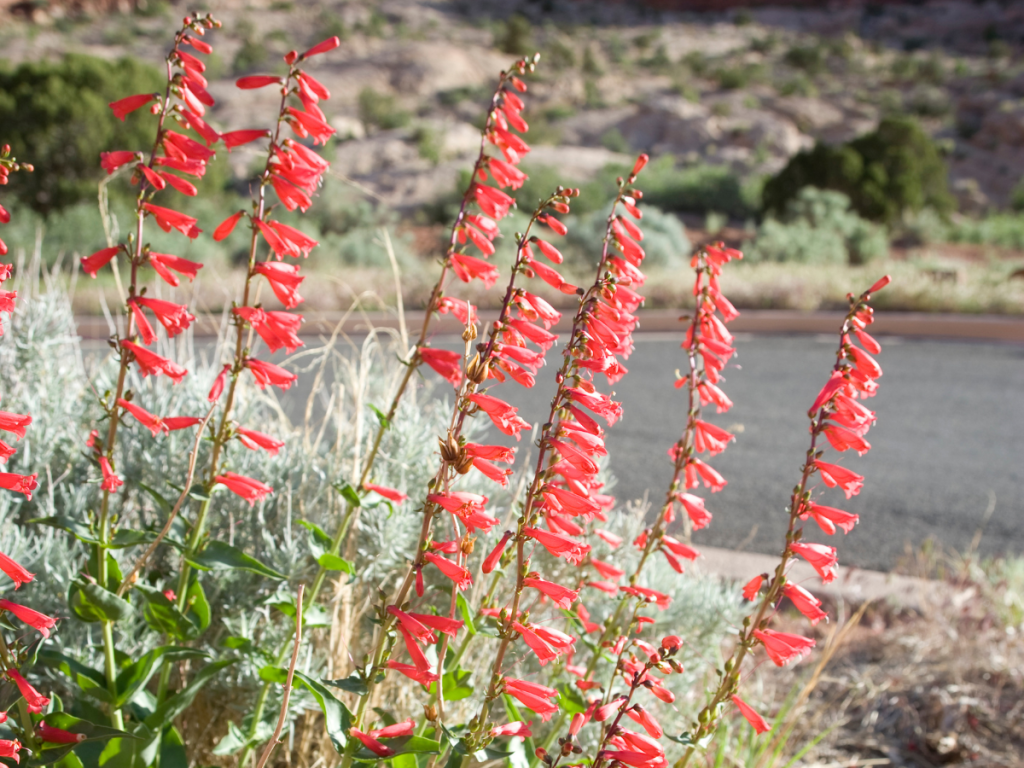
- Description: Tubular flowers in shades of blue, purple, pink, and red, attractive to hummingbirds.
- Growing Conditions: Full sun to partial shade, well-drained soil.
- Care: Deadhead to encourage more blooms. It’s drought-tolerant and low-maintenance.
6. Bearded Iris (Iris germanica)
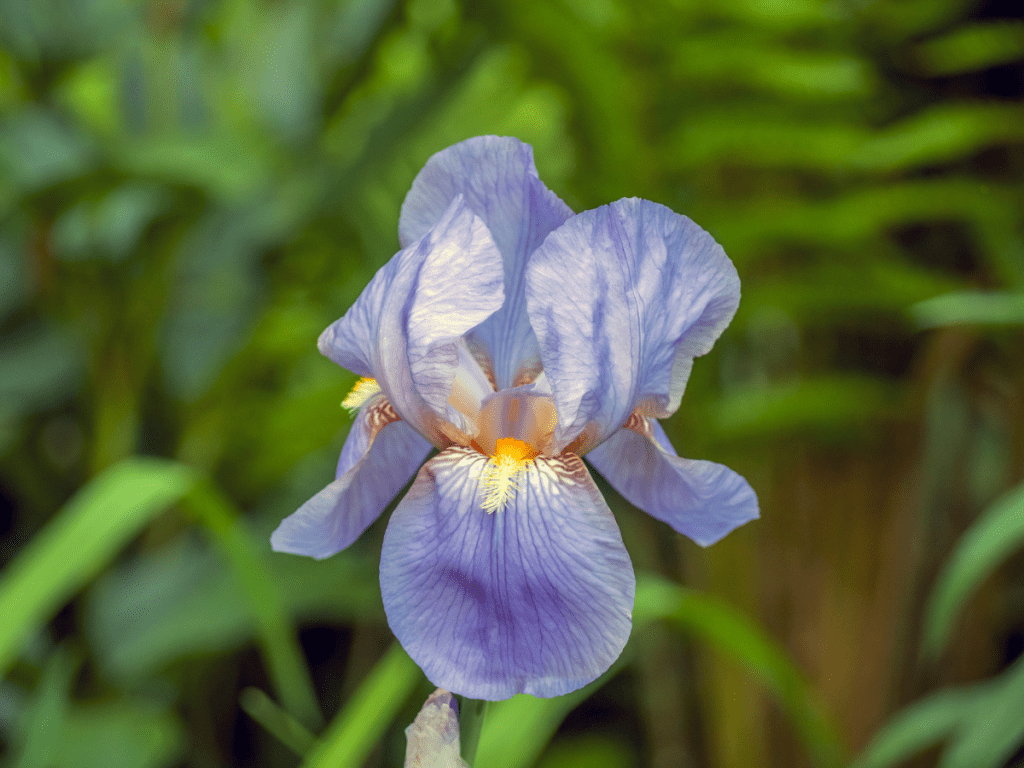
- Description: Durable perennials with showy flowers in a variety of colors.
- Growing Conditions: Full sun to partial shade, well-drained soil.
- Care: Divide clumps every few years to prevent overcrowding. Water sparingly.
7. Daylily (Hemerocallis)
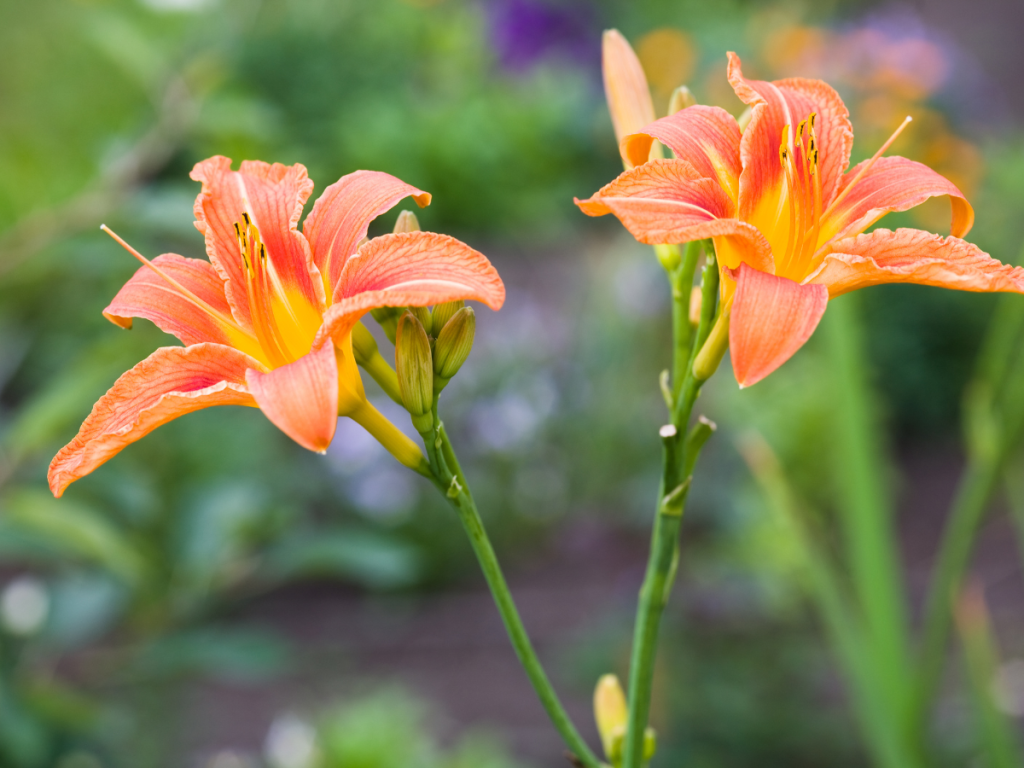
- Description: Robust perennials with flowers in many colors and forms, each bloom lasts one day.
- Growing Conditions: Full sun to partial shade, well-drained soil.
- Care: Remove spent flower stalks. Divide clumps every few years.
8. Black-eyed Susan (Rudbeckia hirta)
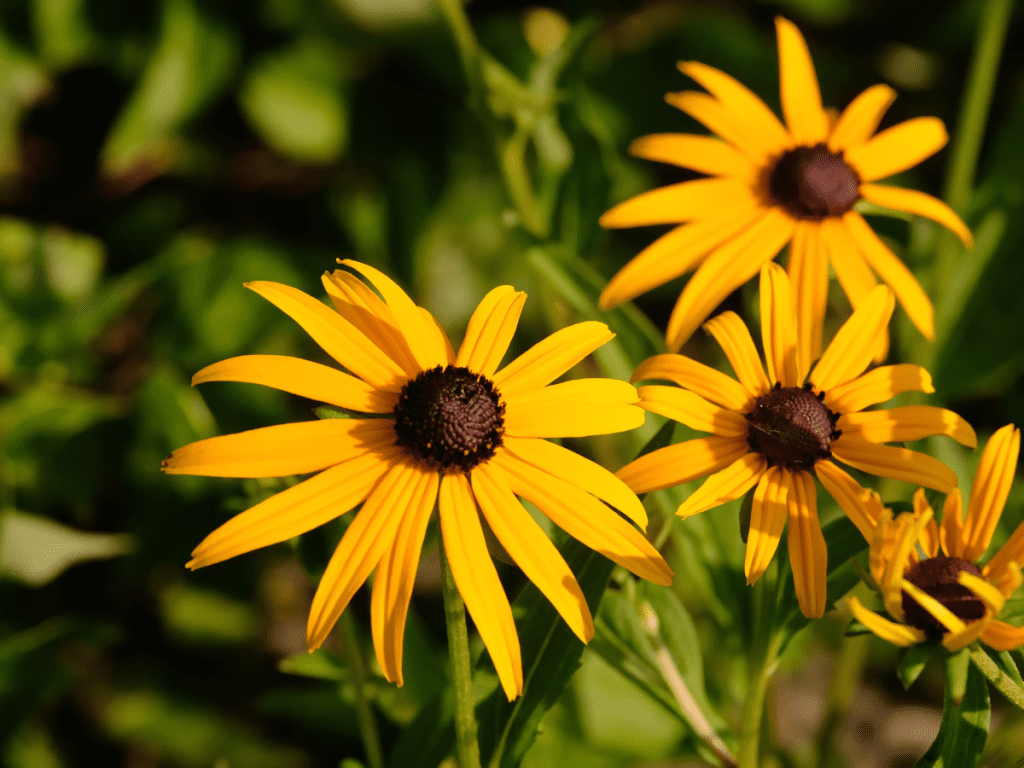
- Description: Bright yellow flowers with dark centers, excellent for late summer color.
- Growing Conditions: Full sun, well-drained soil.
- Care: Deadhead to extend blooming period. It’s drought-tolerant once established.
9. Lamb’s Ear (Stachys byzantina)
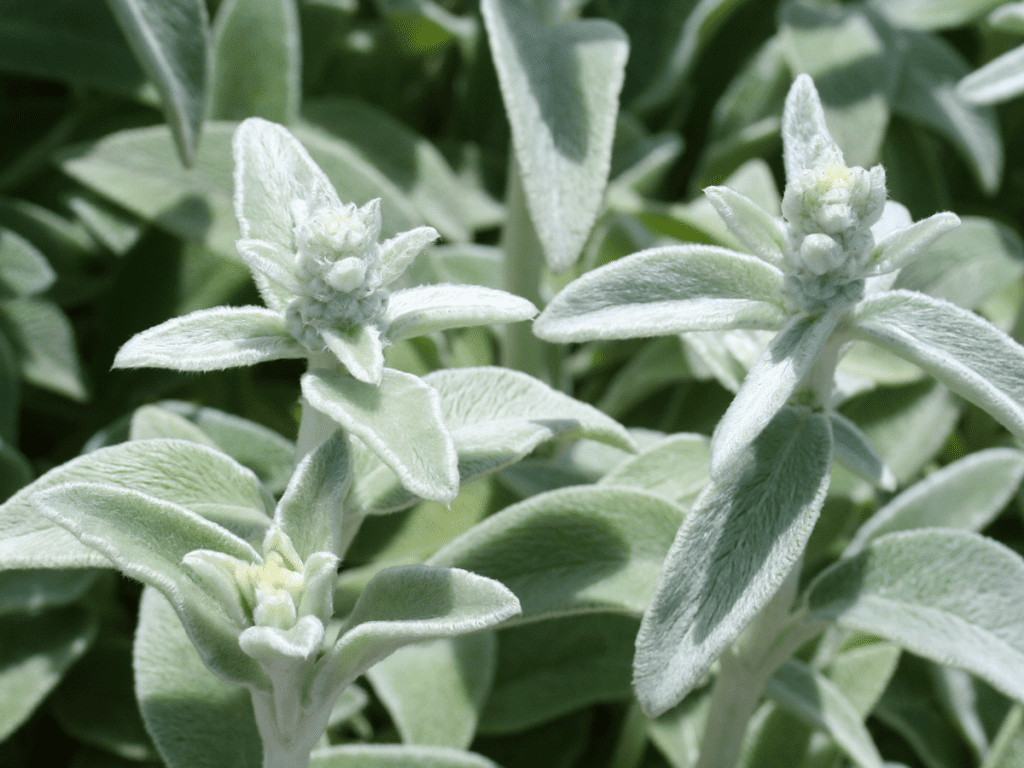
- Description: Fuzzy, silver-gray foliage with purple flower spikes.
- Growing Conditions: Full sun to partial shade, well-drained soil.
- Care: Remove flower spikes after blooming to maintain neat appearance. It’s drought-tolerant.
10. Coreopsis (Coreopsis spp.)
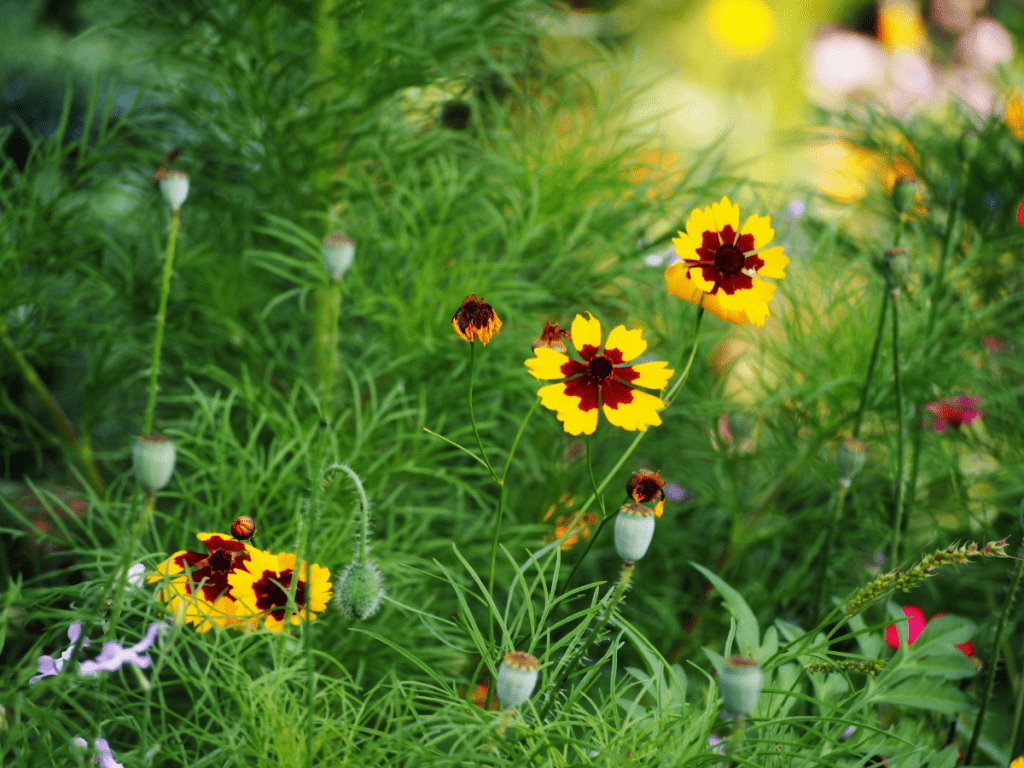
- Description: Bright yellow or bi-colored daisy-like flowers.
- Growing Conditions: Full sun, well-drained soil.
- Care: Deadhead to encourage continuous blooms. It’s drought-tolerant and easy to care for.
11. Red Valerian (Centranthus ruber)
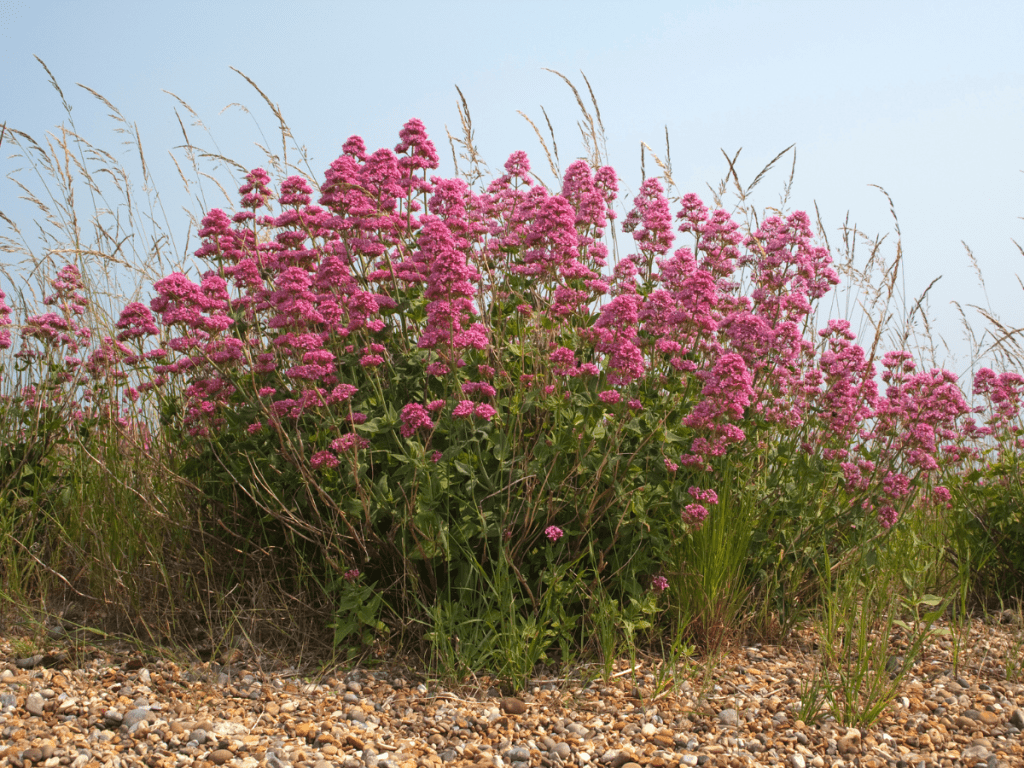
- Description: also known as Jupiter’s Beard, is a perennial that produces clusters of small, fragrant red, pink, or white flowers.
- Growing Conditions: It prefers full sun and well-drained soil. It can tolerate dry conditions and poor soil.
- Care: Red Valerian is easy to grow and can self-seed prolifically. Deadhead to prevent excessive self-seeding and promote continuous blooming.
12. Blue Cupidone (Catananche caerulea)
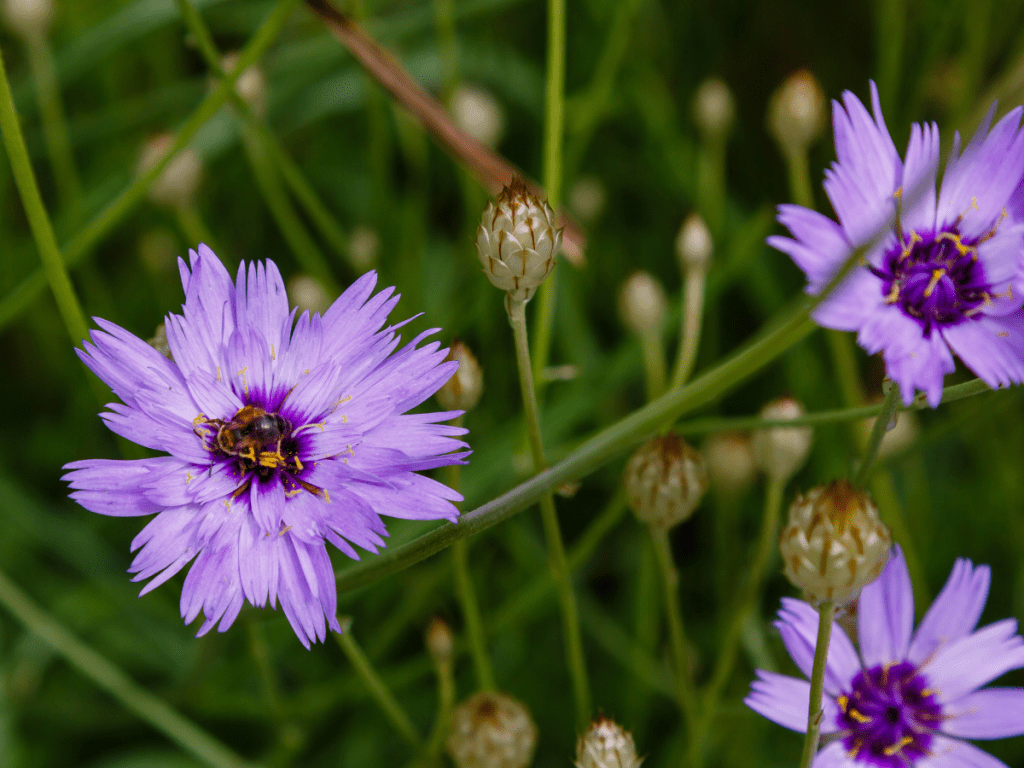
- Description: also known as Cupid’s Dart, has striking blue or lavender flowers with a papery texture.
- Growing Conditions: It prefers full sun and well-drained soil. It is drought-tolerant and thrives in dry, sandy soils.
- Care: This plant requires minimal maintenance. Deadheading can encourage more blooms, and it can be divided every few years to maintain vigor.
13. Spiked Speedwell (Veronica spicata)
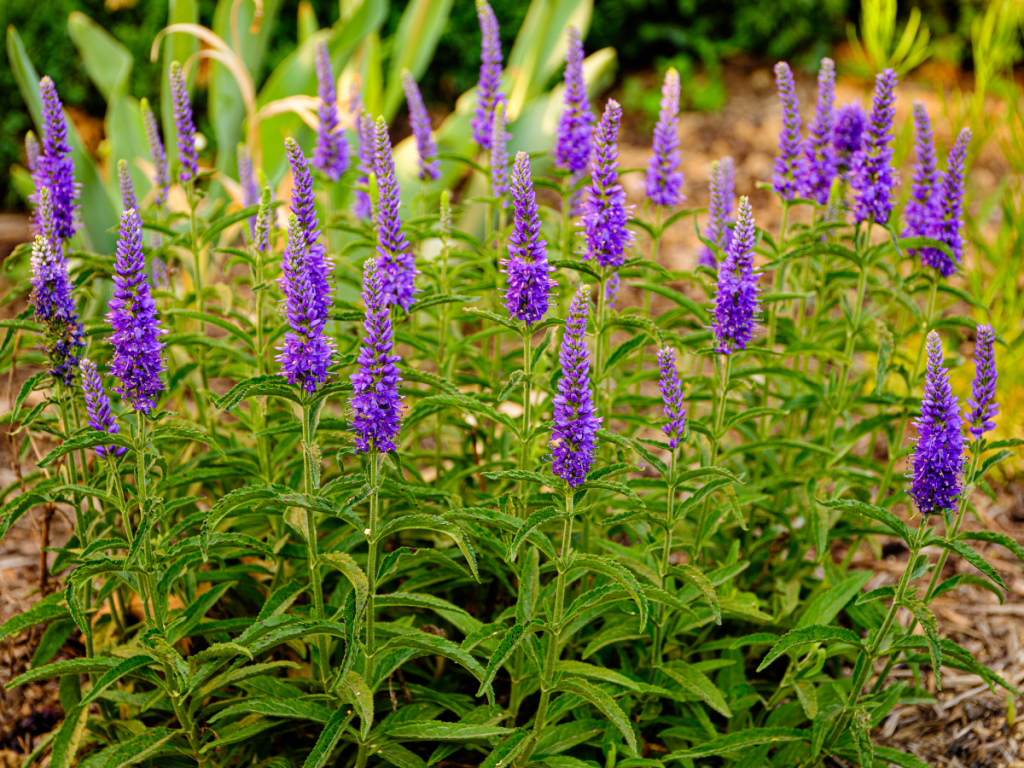
- Description: spikes of small, tubular flowers that can be blue, purple, pink, or white.
- Growing Conditions: It prefers full sun to partial shade and well-drained soil. It can tolerate a range of soil types.
- Care: Regular deadheading will encourage continued blooming. It’s relatively low-maintenance and can attract pollinators.
14. Daisies (Bellis perennis, Leucanthemum spp.)
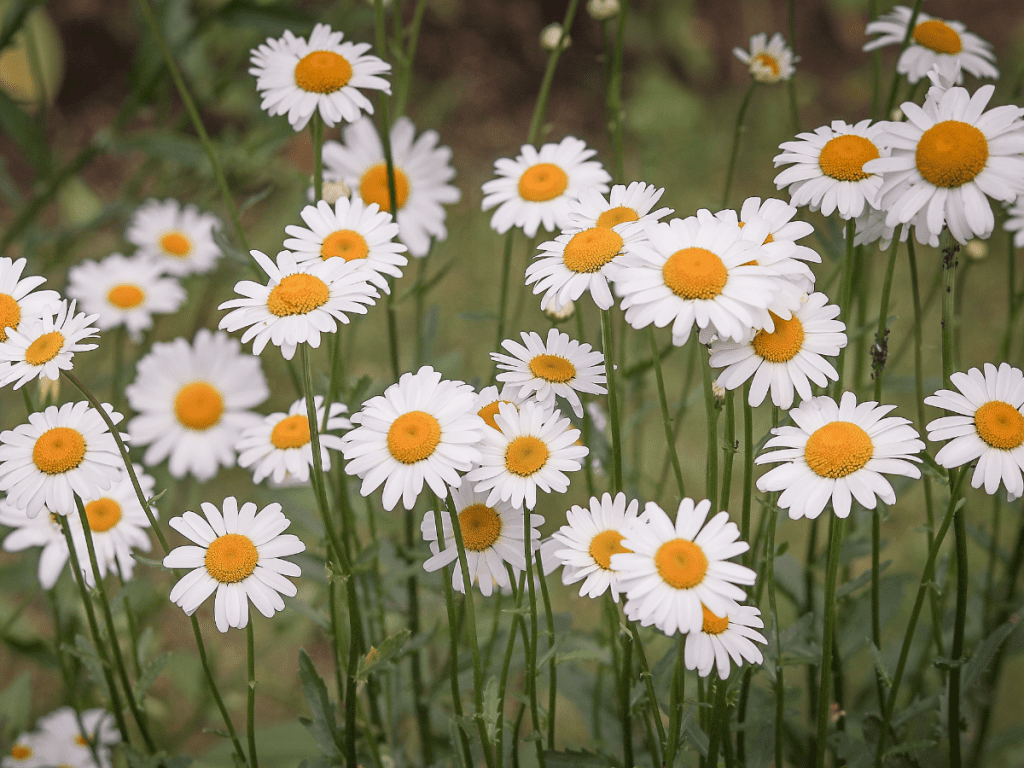
- Description: Daisies are known for their classic white petals and yellow centers.
- Growing Conditions: They prefer full sun to partial shade and well-drained soil. Daisies are quite adaptable.
- Care: Daisies are low-maintenance. Deadheading prolongs blooming, and dividing clumps every few years keeps them healthy.
15. Snow in Summer (Cerastium tomentosum)
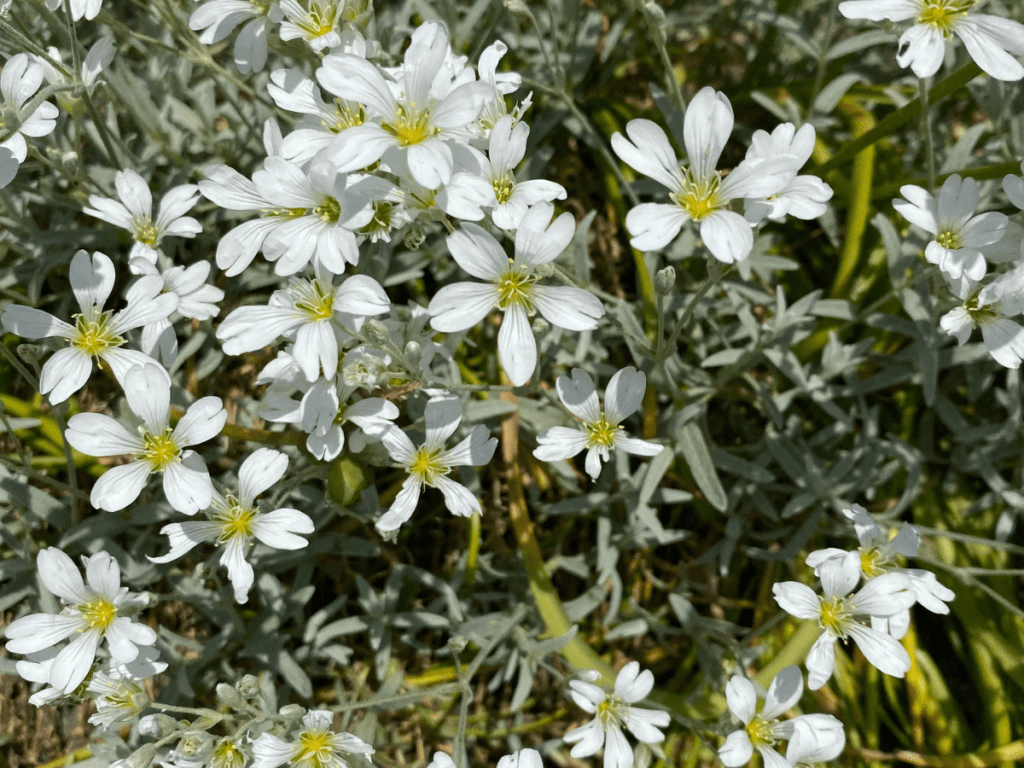
- Description: Snow in Summer is a low-growing perennial that produces masses of small, white flowers, creating a snowy effect.
- Growing Conditions: It prefers full sun and well-drained soil. It thrives in poor, sandy soils and is drought-tolerant.
- Care: This plant is easy to care for. It spreads quickly, so controlling its growth might be necessary. Pruning after flowering can help maintain its shape.
Annuals
16. Marigold (Tagetes)
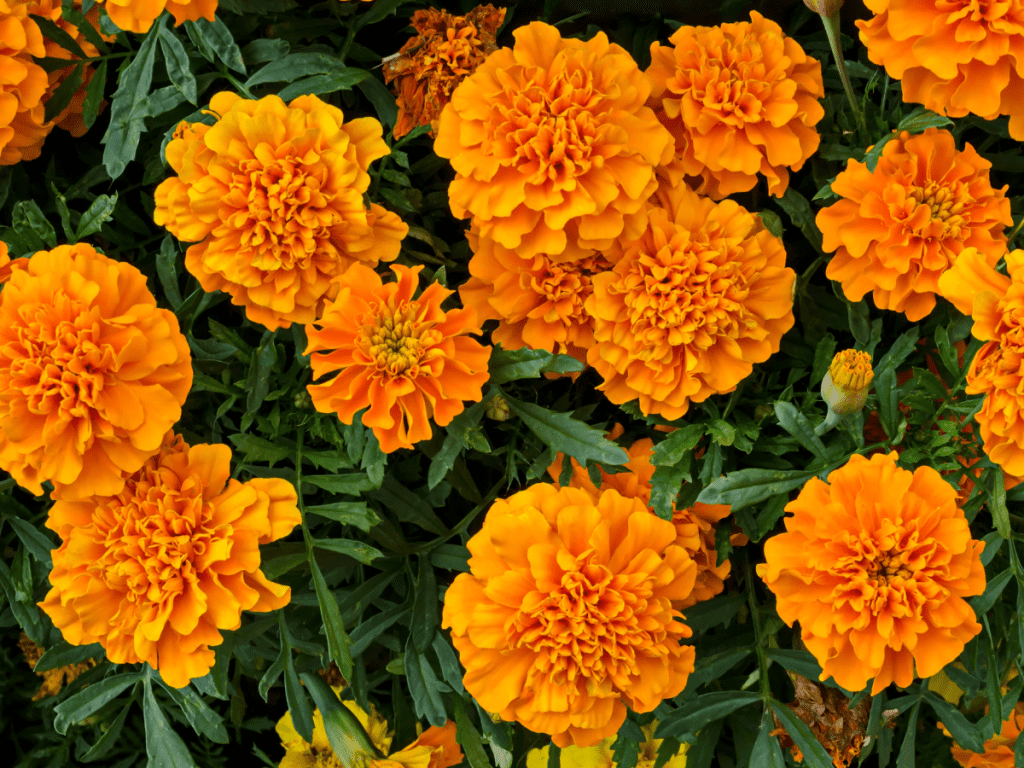
- Description: Bright, cheerful flowers that are heat-tolerant and pest-resistant.
- Growing Conditions: Full sun, well-drained soil.
- Care: Deadhead regularly to keep plants blooming. Water moderately.
17. Petunia (Petunia spp.)
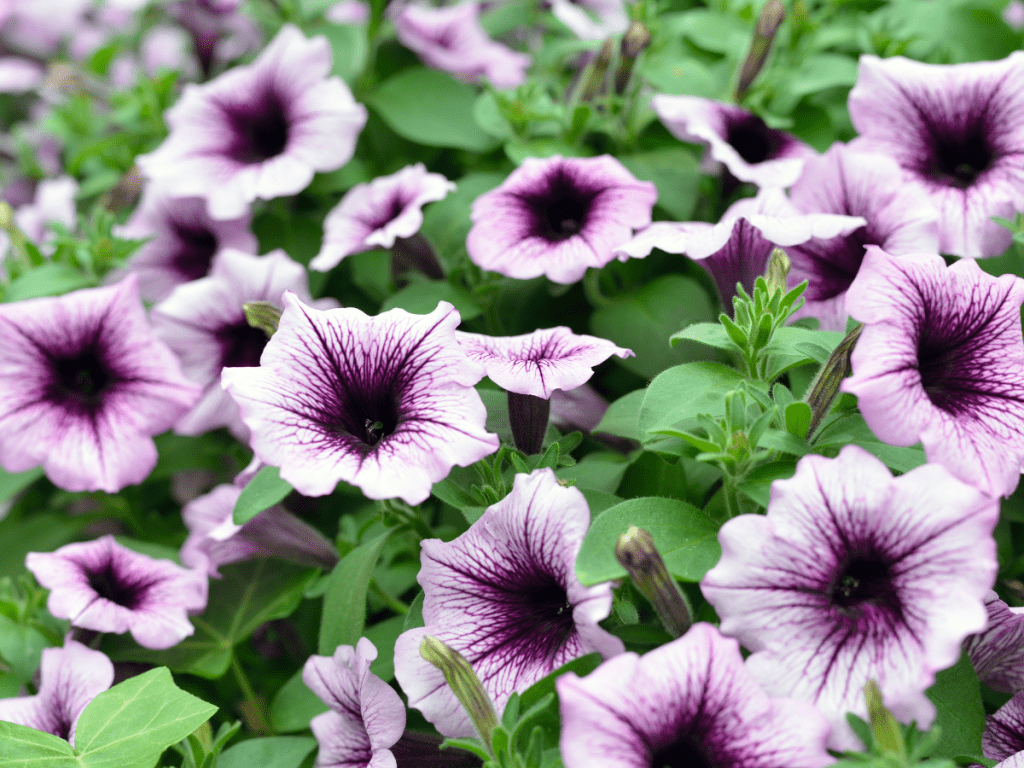
- Description: Available in many colors and forms, they thrive in sunny locations.
- Growing Conditions: Full sun, well-drained soil.
- Care: Deadhead to encourage more blooms. Regular watering and fertilizing are recommended.
18. Zinnia (Zinnia spp.)
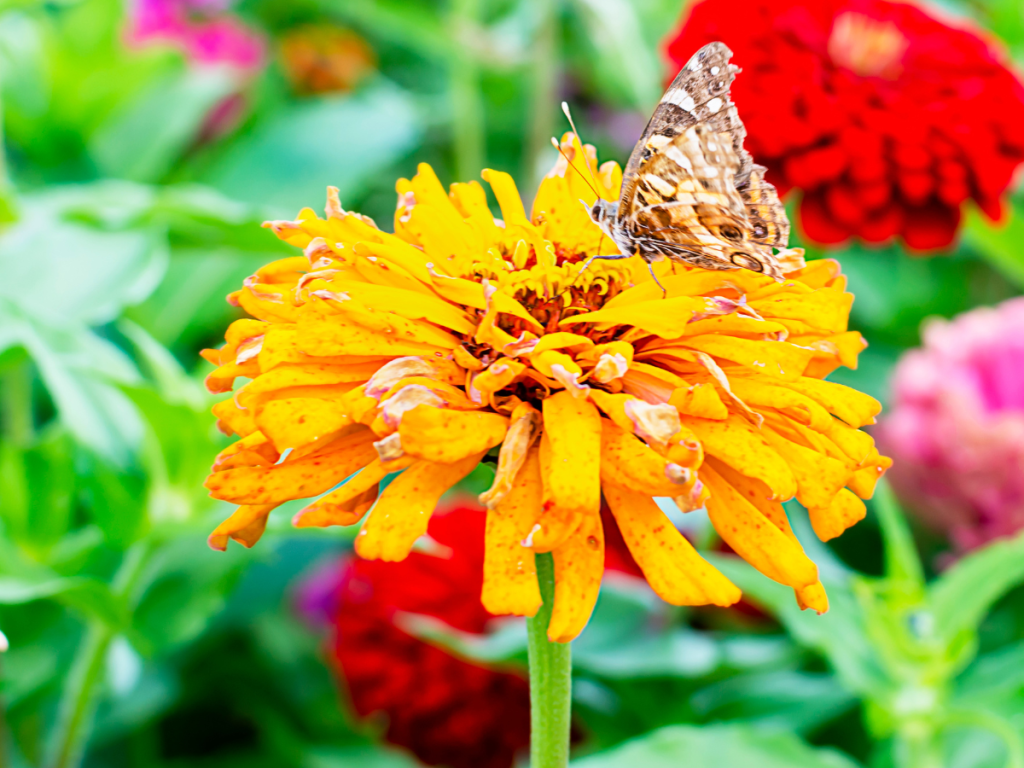
- Description: Colorful, long-blooming flowers that are easy to grow from seed.
- Growing Conditions: Full sun, well-drained soil.
- Care: Deadhead to prolong blooming. It’s drought-tolerant and low-maintenance.
19. Cosmos (Cosmos bipinnatus)
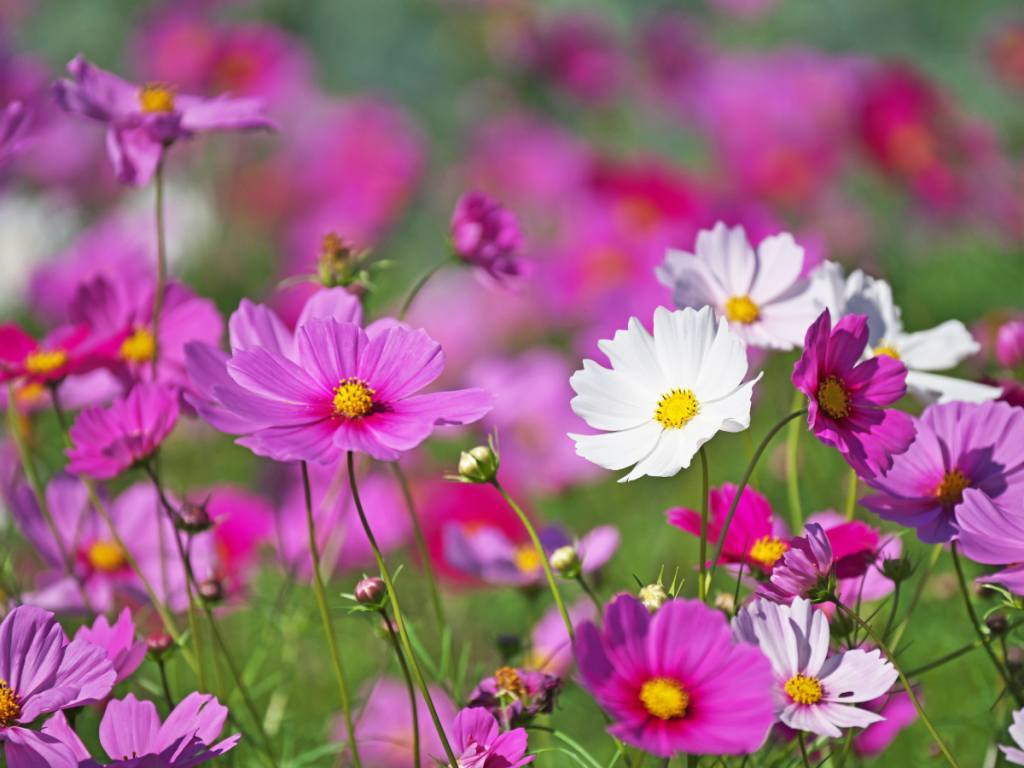
- Description: Delicate, airy flowers in pink, white, and purple.
- Growing Conditions: Full sun, well-drained soil.
- Care: Deadhead to extend blooming. It tolerates dry conditions well.
20. Snapdragon (Antirrhinum majus)
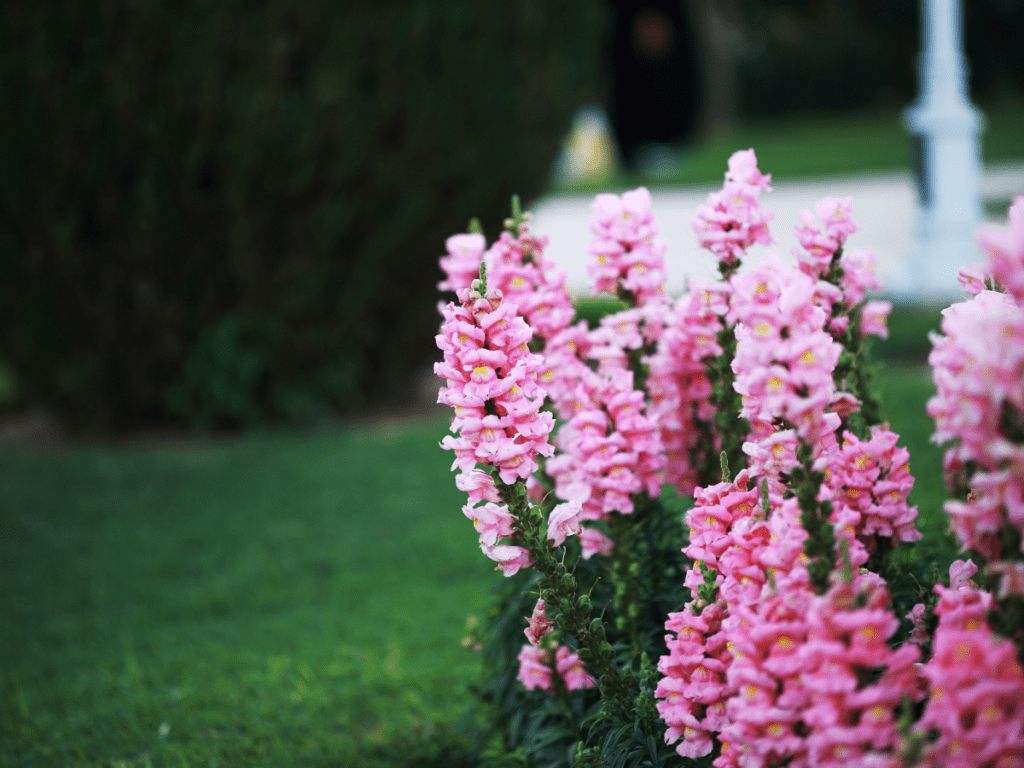
- Description: Versatile annual with a range of heights and colors.
- Growing Conditions: Full sun to partial shade, well-drained soil.
- Care: Deadhead to promote continuous blooming. Moderate watering is needed.
21. Geranium (Pelargonium)
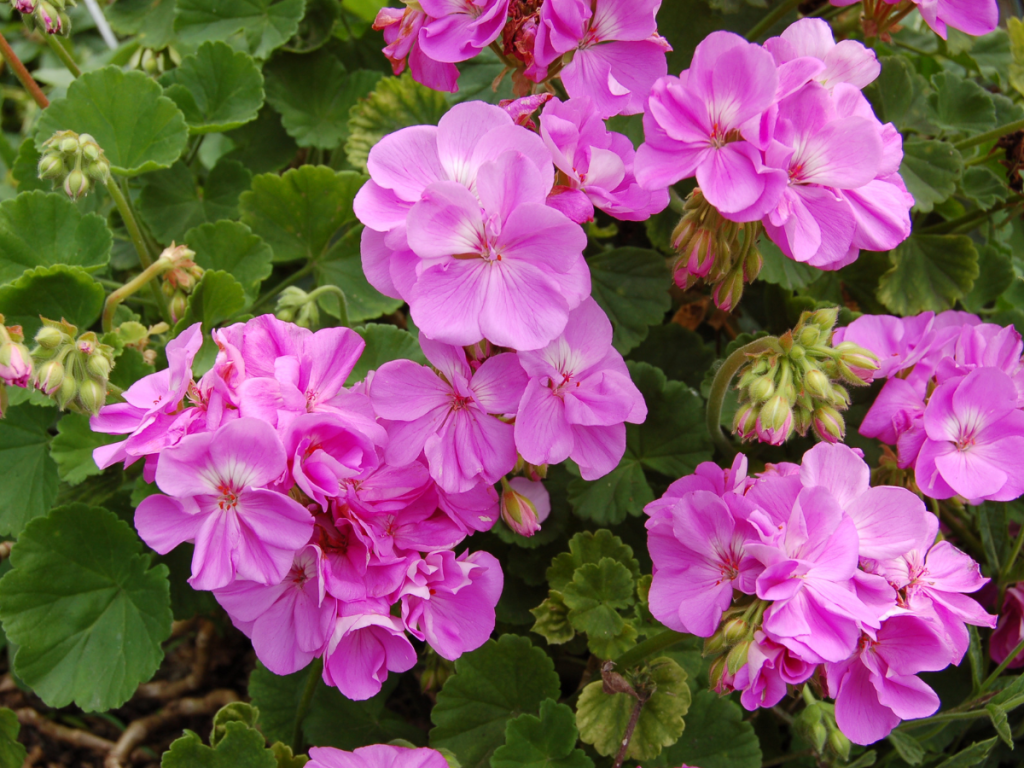
- Description: Hardy annuals with a wide range of colors and forms.
- Growing Conditions: Full sun to partial shade, well-drained soil.
- Care: Deadhead regularly. Water when soil is dry.
Wildflowers
22. Indian Paintbrush (Castilleja)
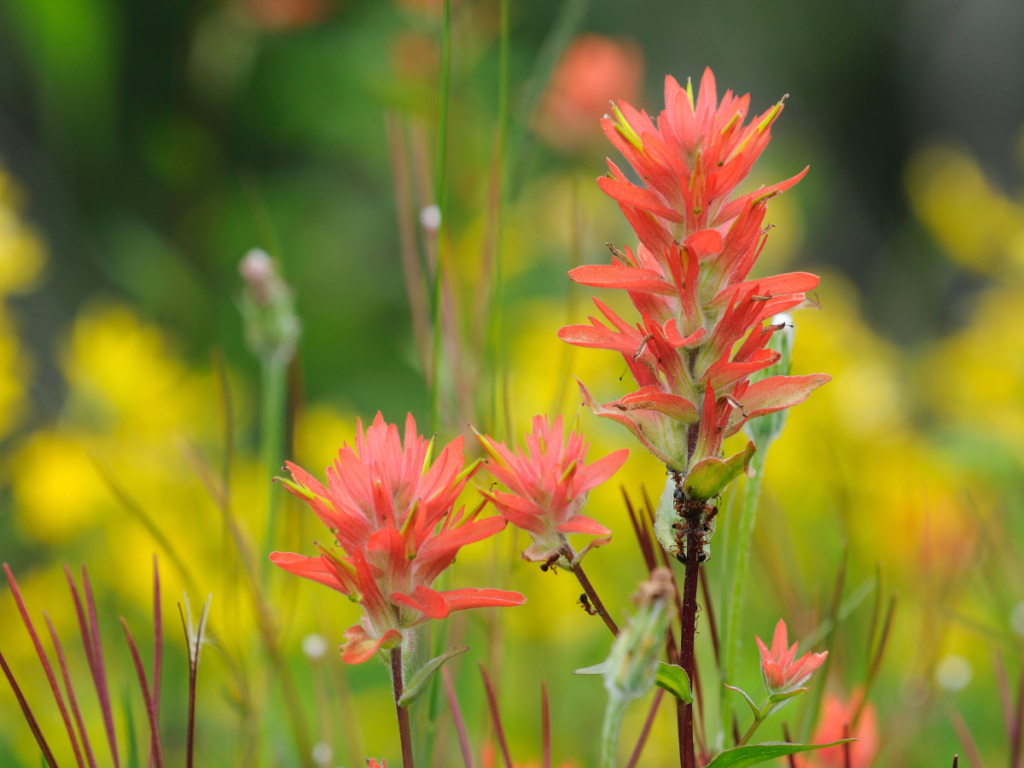
- Description: Striking red, orange, or yellow bracts.
- Growing Conditions: Full sun, rocky or sandy soil.
- Care: Minimal care required. It’s adapted to dry, poor soils.
23. Prairie Aster (Symphyotrichum ericoides)
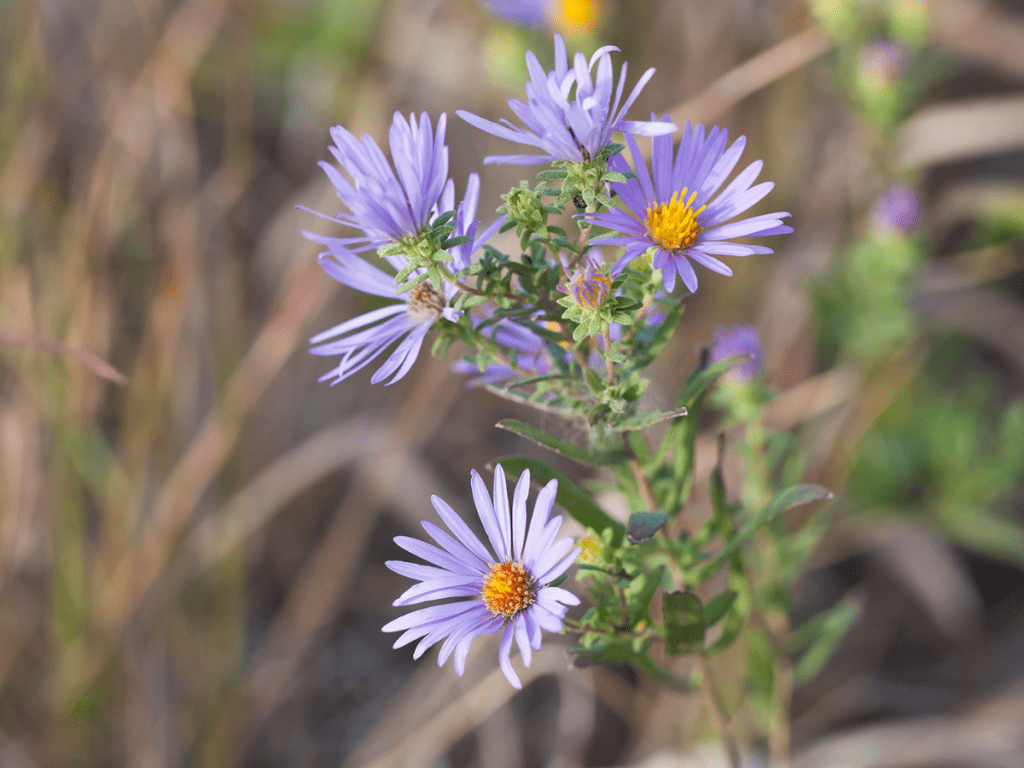
- Description: Small, daisy-like flowers in white, pink, or purple.
- Growing Conditions: Full sun, well-drained soil.
- Care: Deadhead to prolong blooming. It’s drought-tolerant.
24. Blue Flax (Linum lewisii)
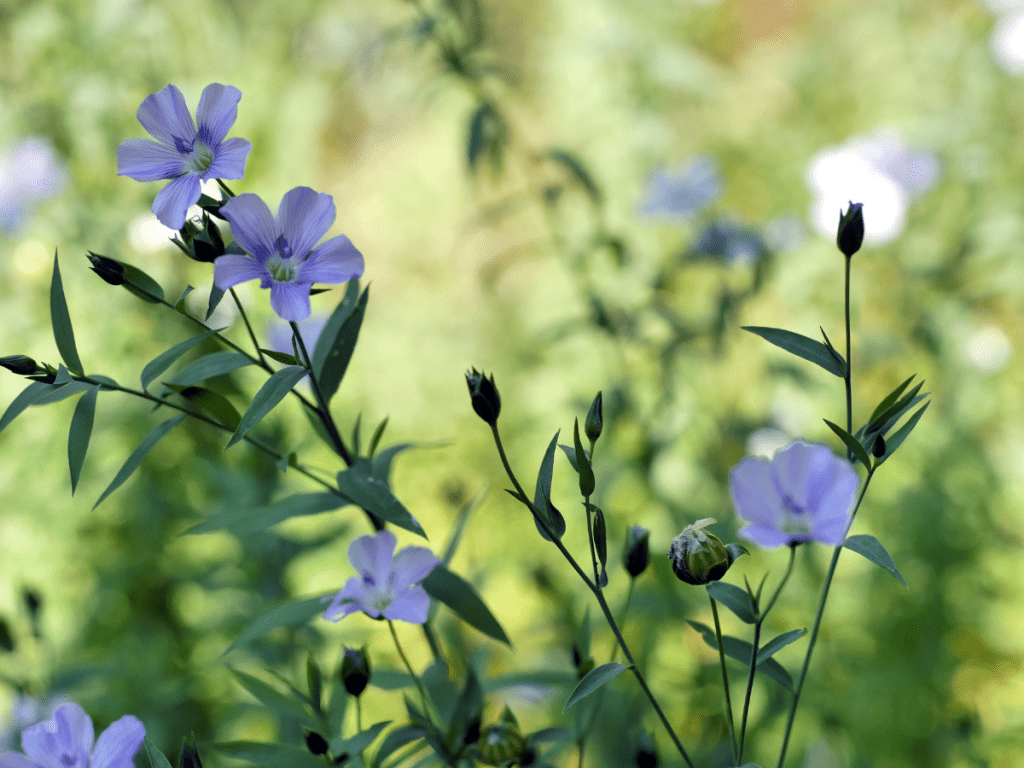
- Description: Delicate blue flowers.
- Growing Conditions: Full sun, well-drained soil.
- Care: Minimal care required. It’s drought-tolerant and reseeds easily.
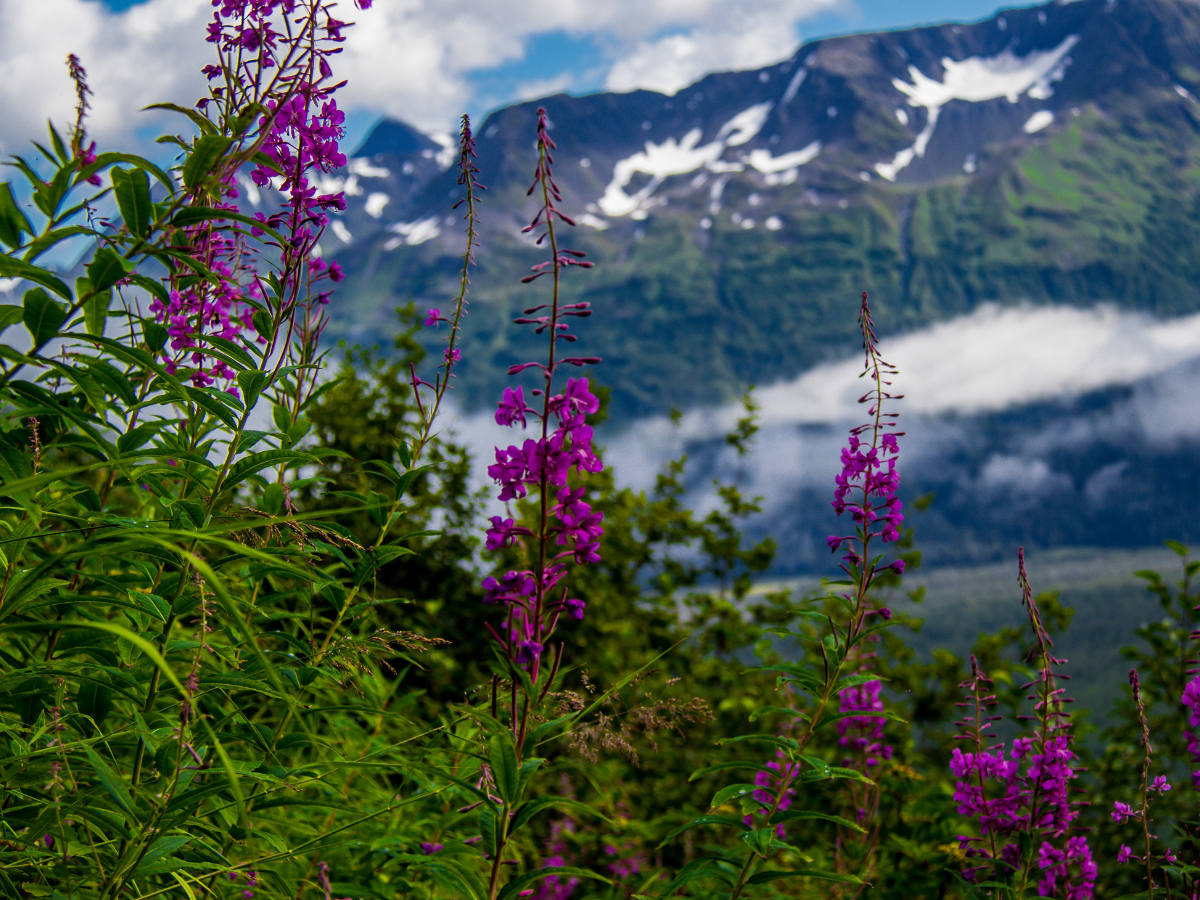
25. Fireweed (Chamerion angustifolium)
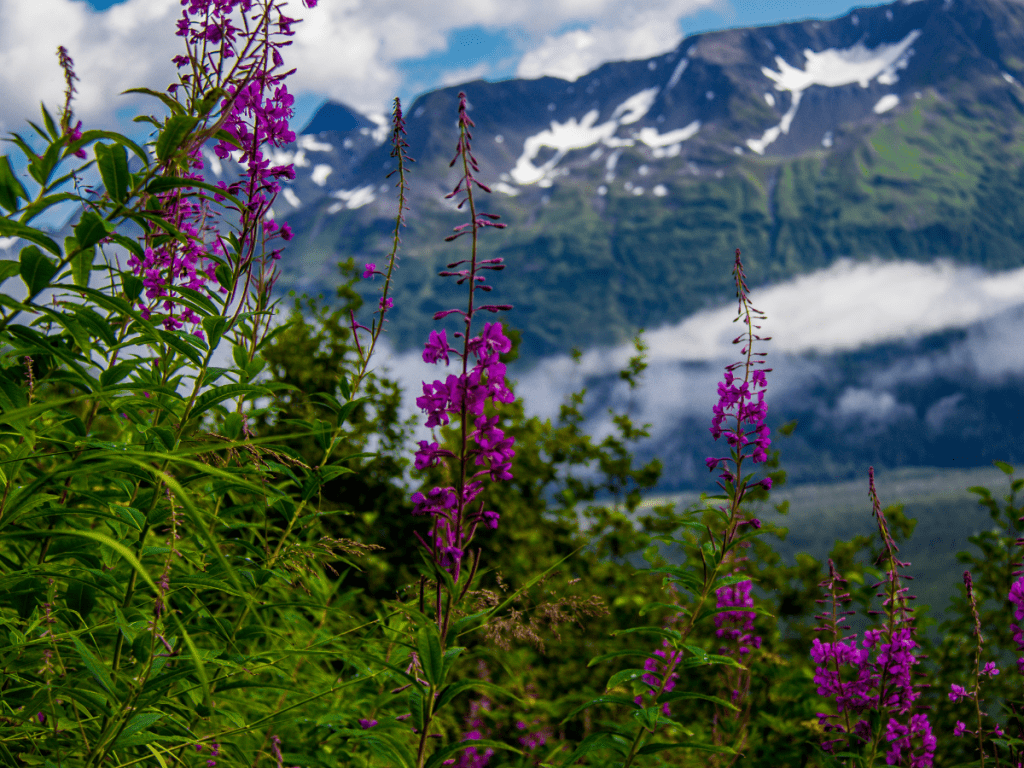
- Description: Tall spikes of pink flowers.
- Growing Conditions: Full sun, disturbed soils.
- Care: Minimal care required. It’s adapted to grow in post-fire landscapes.
The dry conditions and variable weather in Colorado make growing plants a little tricky. The best landscaping flowers for Colorado are drought-tolerant and resilient plants. Choosing from this list can make all the difference in creating a vibrant and low-maintenance garden. Perennials like the Rocky Mountain Columbine, Purple Coneflower, and Blanket Flower provide sustainable beauty year after year, while annuals such as Marigolds and Zinnias offer bright, seasonal color that can fill in gaps and create stunning displays. Wildflowers like Indian Paintbrush and Prairie Aster bring a touch of natural beauty and support local wildlife. By incorporating a mix of these hardy plants, you can ensure a flourishing and enduring garden that thrives in Colorado’s unique environment, making your landscaping efforts more rewarding and less labor-intensive! If you found this helpful and want to keep learning, check out my article on the best ground cover plants for walkways!