Budget-Friendly Ways to Save Energy at Home This Winter
This post may contain affiliate links, which means I may earn a small commission if you make a purchase using one of those links. As an Amazon Associate, I earn from qualifying purchases. Thank you for supporting Projects & Pearls.
As the temperature drops, the cost of keeping your home warm can quickly climb. For many families, finding budget-friendly ways to save energy at home during winter isn’t just about cutting expenses—it’s about staying comfortable without breaking the bank. Whether you’re wondering how to save energy at home or simply looking for practical energy-saving tips, this guide has you covered with actionable advice tailored to busy households. Let’s dive into strategies that will lower your power bill while keeping your family cozy this winter.
Seal Up the Drafts to Keep the Heat In
One of the easiest ways to save electricity is by reducing heat loss in your home. Drafts around windows and doors can make your heating system work harder than necessary. Here’s how to tackle this common problem:
- Check for Drafts: Light a candle and move it around the edges of doors and windows. If the flame flickers, you’ve found a draft.
- Use Weatherstripping: Install adhesive-backed foam tape around doors and windows to seal gaps. It’s cheap, easy to apply, and highly effective.
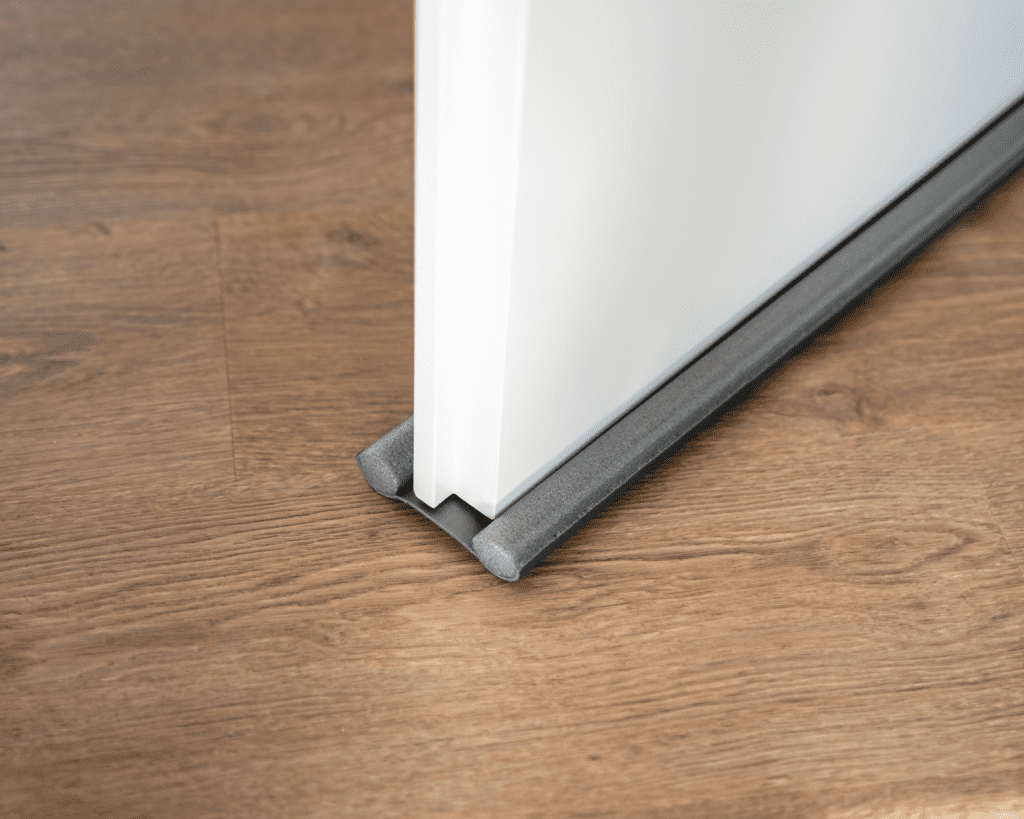
- Draft Stoppers: Don’t underestimate the power of a rolled-up towel or a cute DIY draft snake at the base of your doors.

By taking these simple steps, you’ll improve your home’s insulation and learn how to save on electric bill costs with minimal effort.
Optimize Your Heating System
Heating is often the largest contributor to a winter power bill, but there are plenty of ways to make it more efficient:
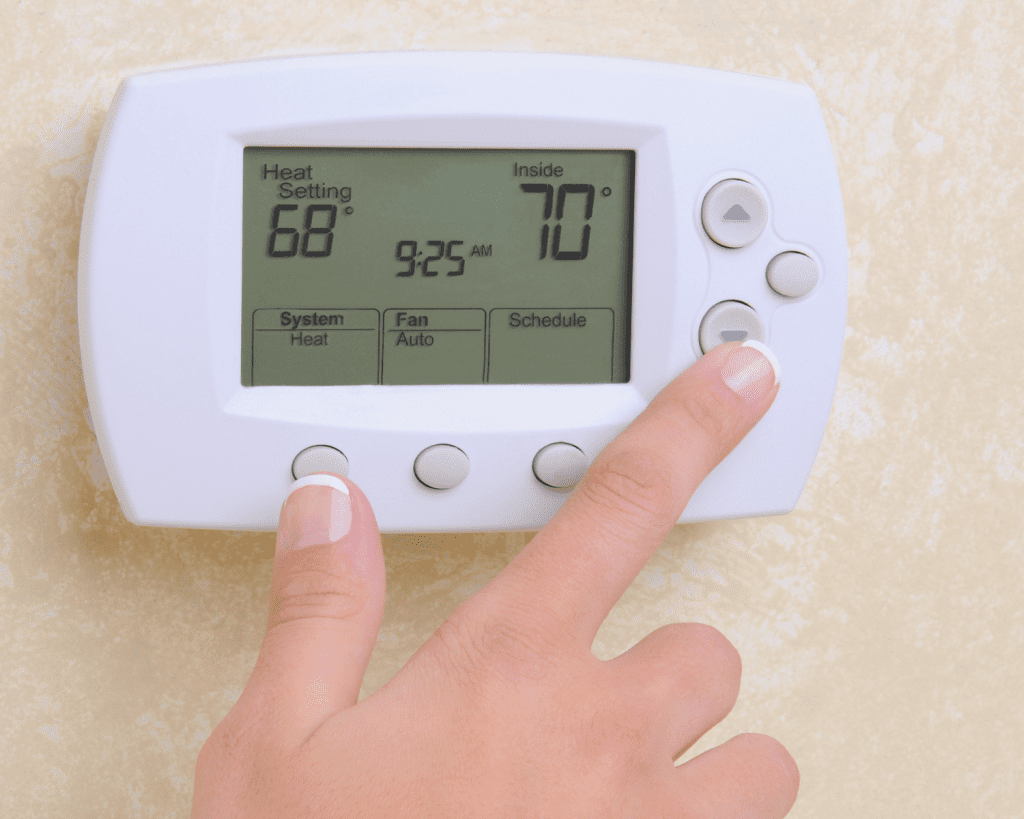
- Lower the Thermostat: Keep your thermostat set to 68°F (20°C) when you’re home and lower it a few degrees when you’re asleep or away.
- Use a Programmable Thermostat: Automating your heating schedule prevents energy waste and keeps your home warm when you need it most.
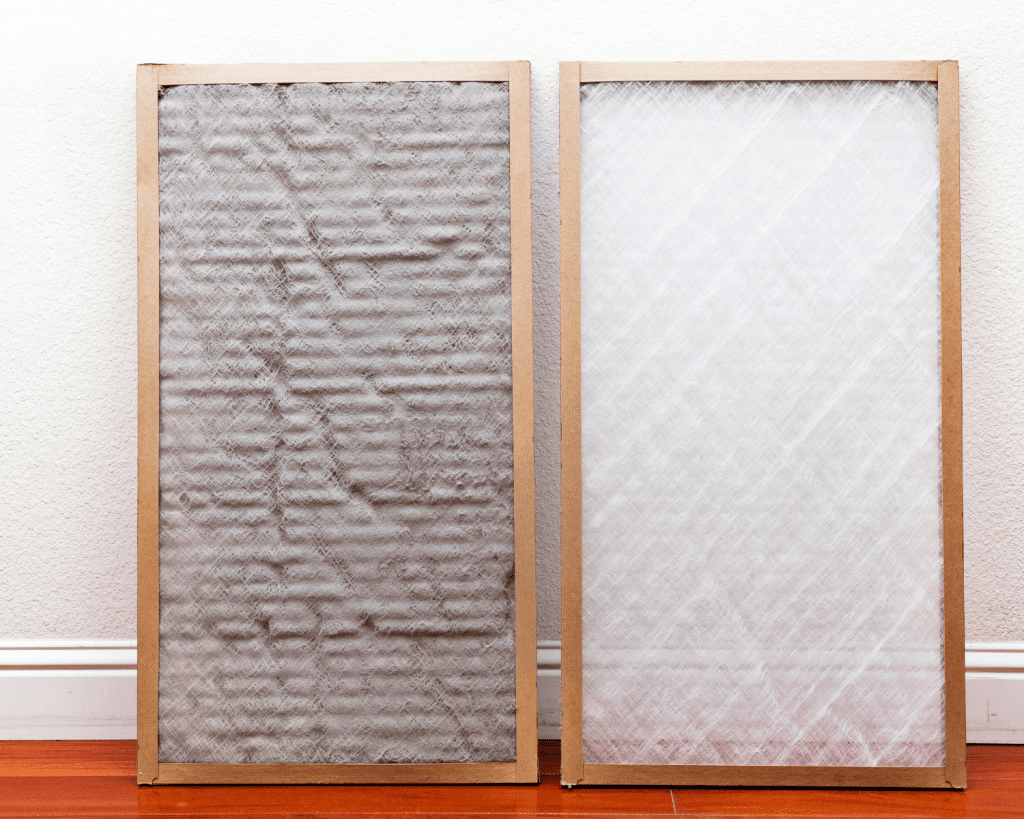
- Change Air Filters: Dirty filters force your furnace to work harder. Replacing them regularly ensures efficient heating.
- Zone Heating: Focus on heating the rooms you use most. Close vents in unused spaces and invest in space heaters for localized warmth.
Not only will these adjustments save energy, but they’ll also reduce your reliance on non-stop energy sources, keeping your home efficient and eco-friendly.
Harness Natural Heat
Mother Nature can be your ally when it comes to learning how to save energy at home:
- Open Curtains During the Day: Let the sunlight stream in to naturally warm your home. South-facing windows are especially effective.
- Close Curtains at Night: Heavy curtains or thermal drapes provide an extra layer of insulation to prevent heat from escaping.
- Decorate Strategically: Position furniture to take advantage of sunny spots in your home. And, make sure you pull all furniture away from vents so they don’t block the heat from flowing into the room.

This simple combination of sunlight and savvy decorating can help you cut costs while maintaining a comfortable environment.
Insulate Your Home on a Budget
Good insulation is key to reducing energy costs. While professional insulation might not fit everyone’s budget, there are affordable DIY options:
- Add Window Insulation Film: Clear plastic film kits are inexpensive and easy to install. They reduce heat loss without obstructing your view.
- Insulate Attic and Crawl Spaces: Use rolls of fiberglass insulation or spray foam to improve the thermal efficiency of your home.
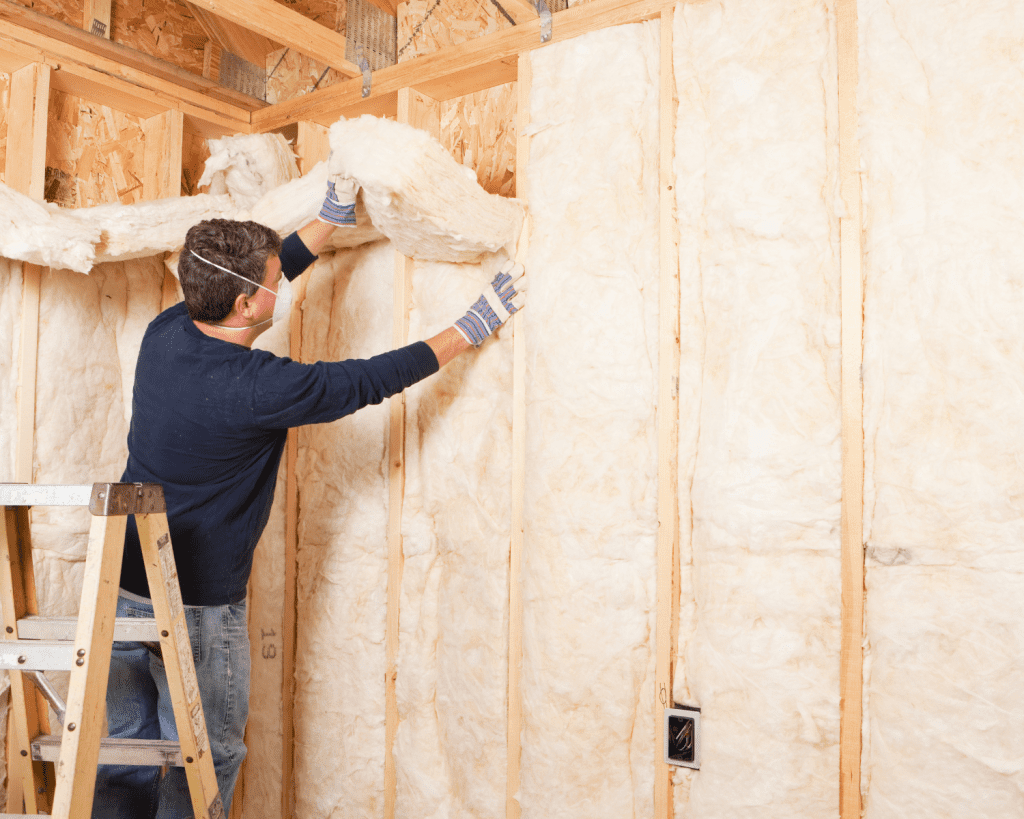
Improving your insulation is one of the most effective energy-saving tips for reducing your heating bill over the long term.
Be Smart About Appliances
Your appliances can contribute significantly to your power bill in winter. Here’s how to minimize their impact:
- Run Full Loads: Whether it’s the dishwasher or the washing machine, running full loads uses less energy per item.
- Wash with Cold Water: Heating water accounts for a big chunk of your laundry energy use. Cold water works just as well for most loads.
- Unplug Devices: Many electronics draw power even when they’re off. Unplug chargers and devices you’re not using.
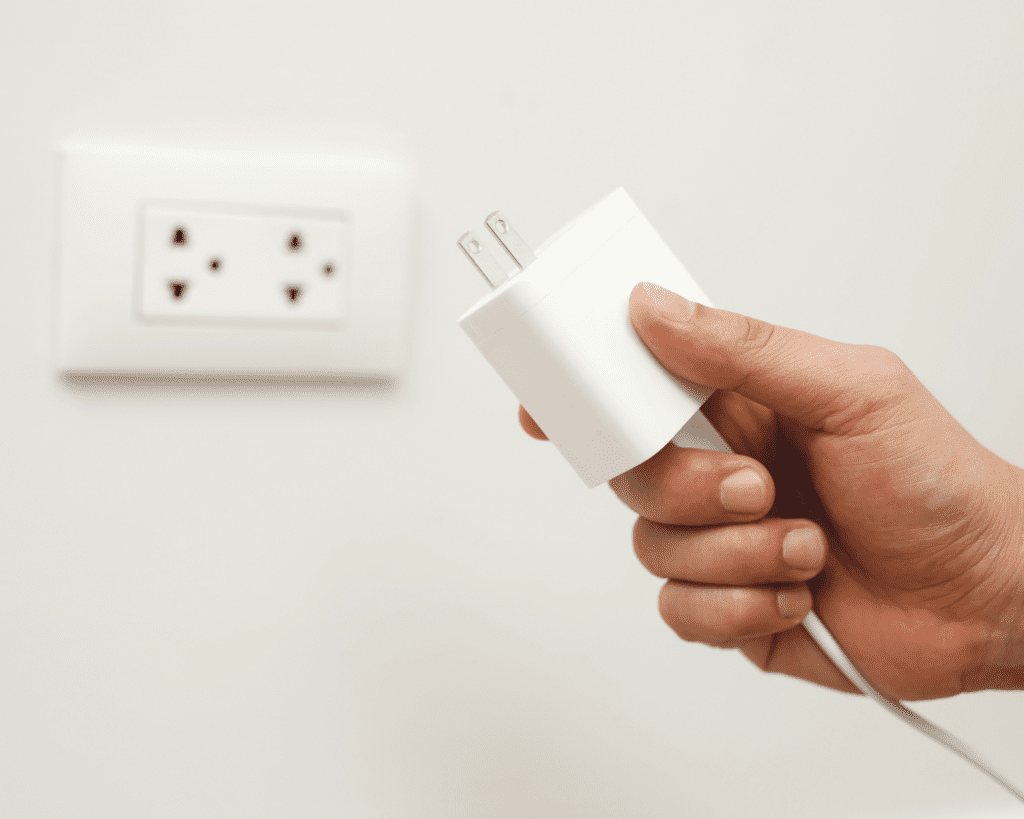
By taking these small but impactful steps, you’ll start to see noticeable savings on your power bill.
Light Your Home Efficiently
Winter means shorter days and more time spent indoors with the lights on. Lighting efficiency can go a long way in reducing your energy usage:
- Switch to LED Bulbs: LEDs use up to 90% less energy than traditional incandescent bulbs. Bonus: they last much longer!
- Use Task Lighting: Instead of illuminating an entire room, focus light where you need it. This saves electricity while creating a cozy atmosphere.
- Take Advantage of Timers and Sensors: These gadgets ensure lights are only on when they’re needed.

With these changes, you’ll not only lower your power bill but also make your home more environmentally friendly.
Cook and Bake Smart
Winter is prime time for hearty meals and holiday baking, but your kitchen can be an energy hog. Here’s how to save energy while cooking:
- Batch Cook: Use your oven for multiple dishes at once, minimizing preheating and extending residual heat usage.
- Use Smaller Appliances: When possible, opt for a microwave, toaster oven, or slow cooker instead of your full-size oven.
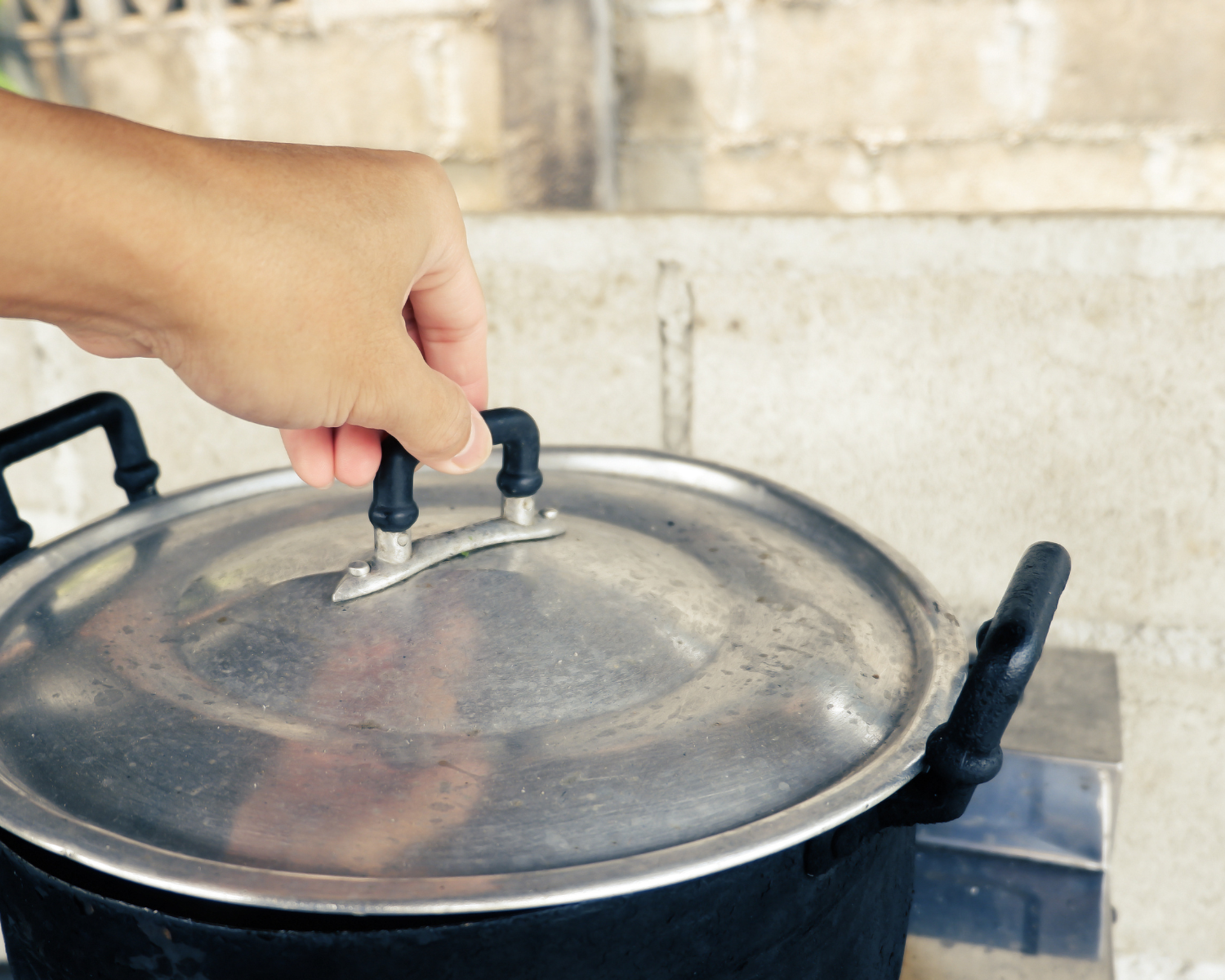
- Keep Lids On: Cover pots and pans while cooking to speed up the process and use less energy.
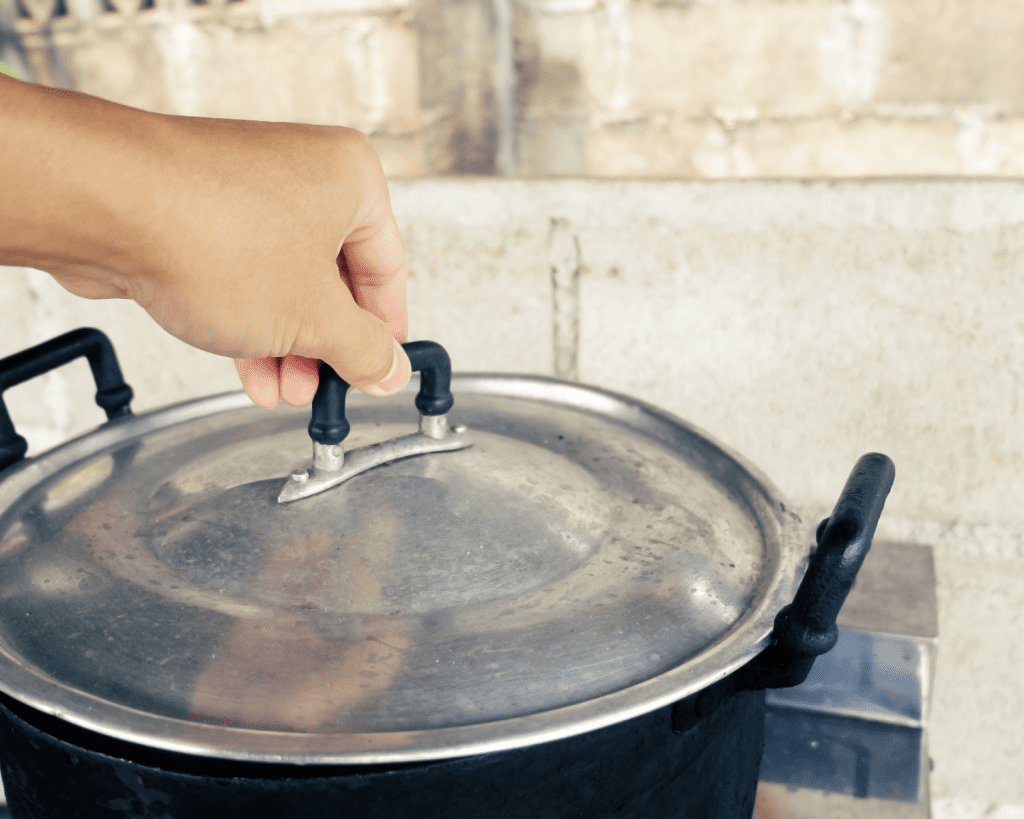
These small habits add up, making it easier to enjoy your favorite comfort foods without spiking your energy consumption.
Focus on Hot Water Usage
Heating water is another big expense in winter, so consider these energy-saving tips:
- Lower the Water Heater Temperature: Setting your water heater to 120°F is hot enough for daily needs and reduces energy waste.
- Install Low-Flow Fixtures: These reduce water usage without compromising pressure.
- Fix Leaks: Even a small drip can waste gallons of hot water over time, driving up your power bill.

Managing your hot water usage effectively can make a noticeable difference in your overall energy costs.
Bonus Tips for Energy Savings
For even more ideas on how to save energy at home, consider these:
- Invest in Smart Power Strips: These automatically cut power to devices that aren’t in use.
- Dress for the Season: Wearing warm layers indoors allows you to keep the thermostat lower.
- Check Your Utility Plan: Many energy providers offer off-peak rates or budget billing options to help you save on electric bill costs.

Winter energy bills don’t have to drain your wallet. By incorporating these energy-saving tips, you can learn how to save energy at home without sacrificing comfort or convenience. From sealing drafts to managing hot water usage, small changes can lead to big savings on your power bill. Remember, every little effort adds up—and your family and your budget will thank you for it.
What are your favorite ways to cut energy costs in the winter? Share your tips in the comments below!