Top 5 Best Border Ideas For In and Around Your Paver Patio
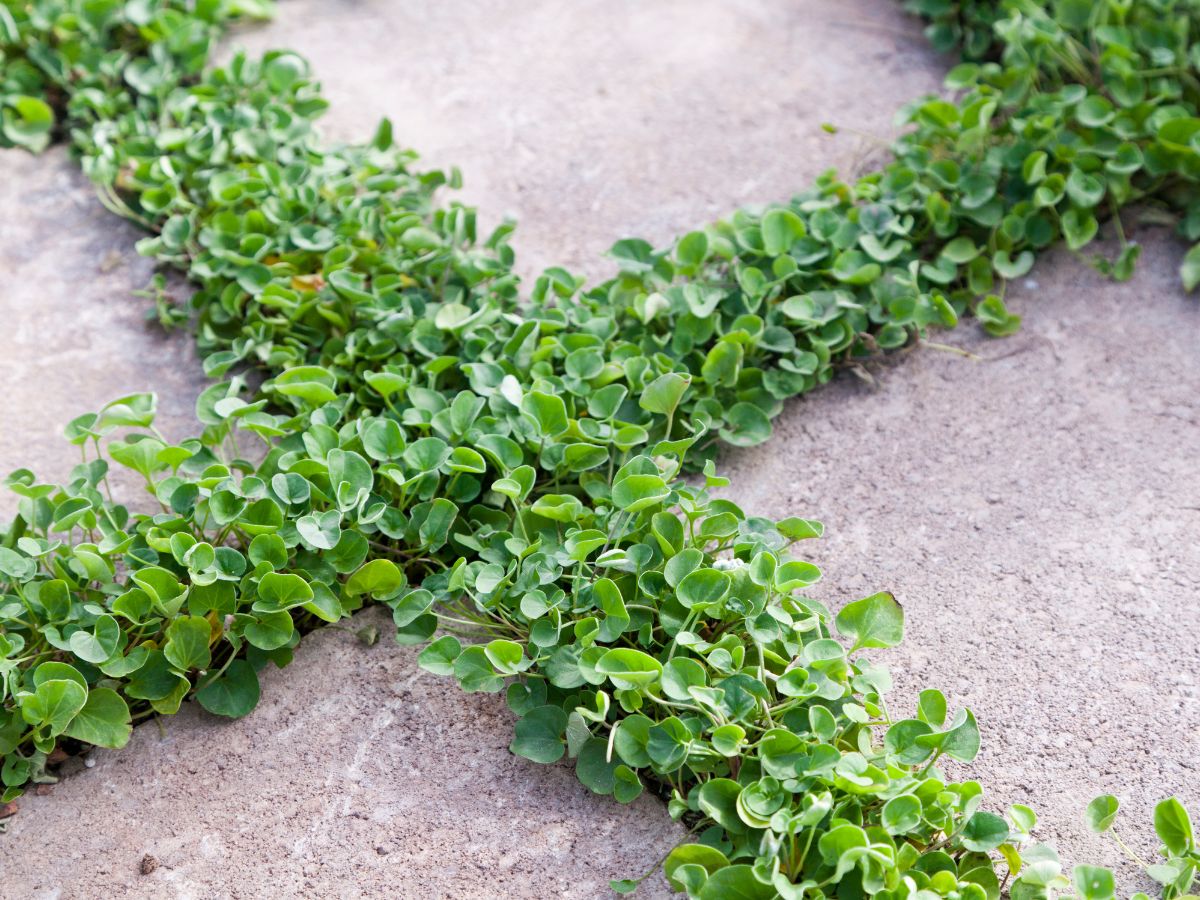
A paver patio can transform an outdoor space, providing a functional and aesthetically pleasing area for relaxation and entertainment. However, the choice of material to fill the gaps between the pavers and around the border can significantly influence the patio’s look, feel, and maintenance requirements. I set out to make a paver patio last summer but have yet to complete the project because finding the right material has proven to be more challenging than expected. Since I tend to over research everything I do, I thought I’d share with you the top 5 best border ideas for in and around your pavers that way you can make the most informed decision without doing the hours of research yourself.
1. Pea Gravel
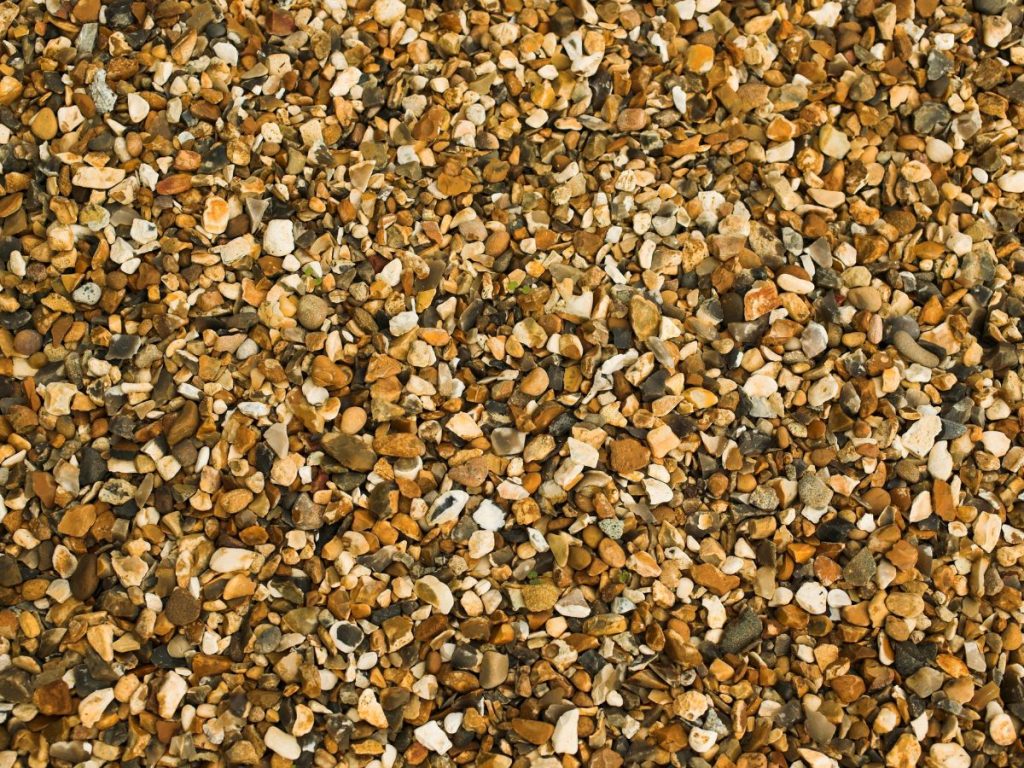
Pros:
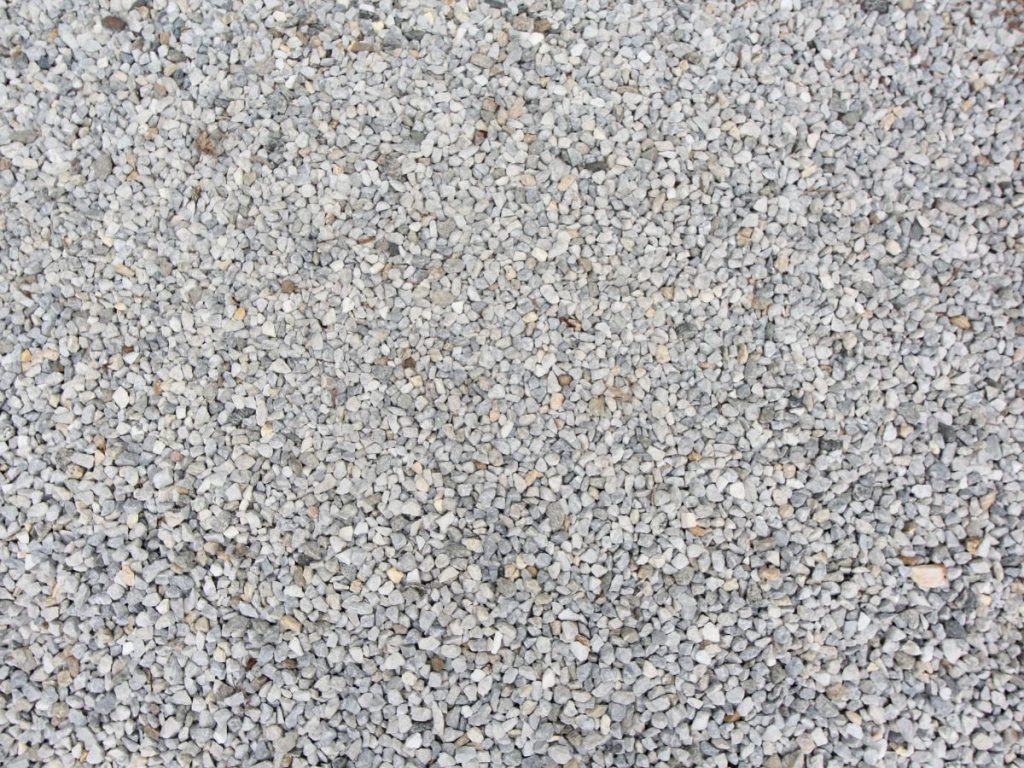
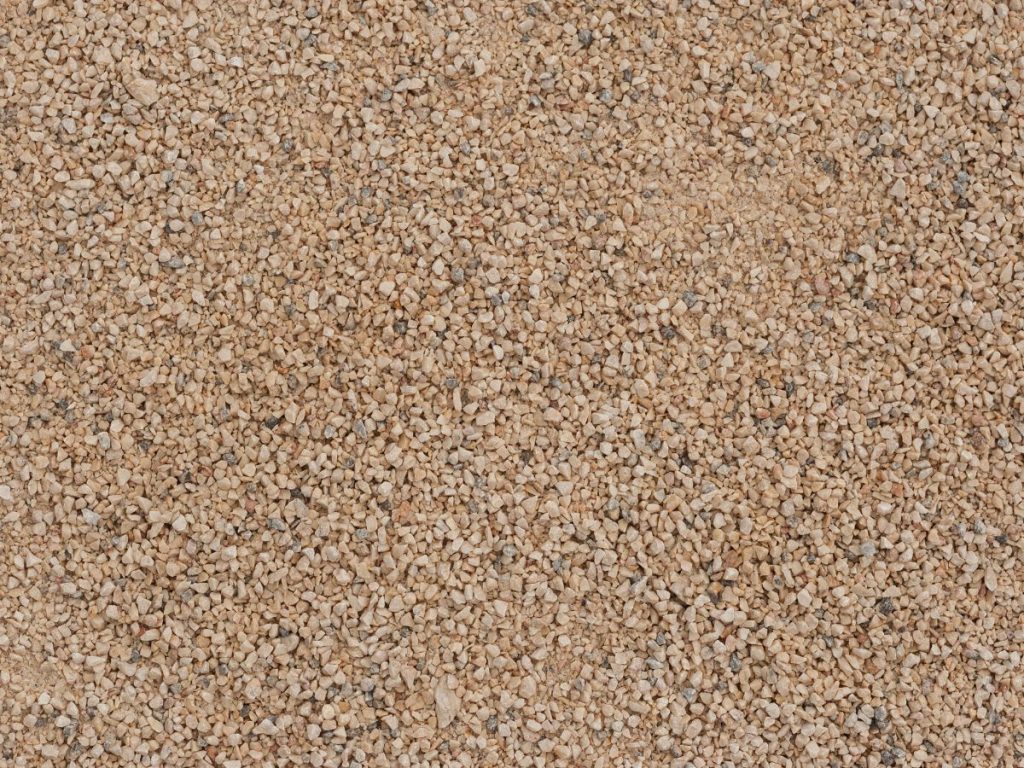
- Aesthetic Appeal: Pea gravel offers a natural, rustic look that can complement various design styles, from traditional to contemporary.
- Drainage: This material provides excellent drainage, preventing water from pooling on your patio and reducing the risk of damage to the pavers.
- Low Cost: Pea gravel is relatively inexpensive compared to other materials, making it a budget-friendly option.
- Easy Installation: It’s simple to spread and fill in gaps, allowing for quick and easy installation.
Cons:
- Movement: Pea gravel can shift and scatter, requiring frequent maintenance to keep it in place. There is a product you can spray over your pea gravel to essentially glue it into place which may be a solution to this issue.
- Weed Growth: Despite being a loose material, pea gravel may still allow weeds to grow through, necessitating regular weeding.
- Comfort: Walking barefoot on pea gravel can be uncomfortable, as the small stones can be hard and uneven underfoot.
- Little Kids: If you’re in your little kid era, this may not be the best option for you. As you know, little kids put everything in their mouths – and their noses, ears, etc. – you may find it difficult to relax on your awesome new paver patio if you’re constantly worried about your baby choking on a small rock. And if you don’t worry about such things . . . please let me in on your secret.
2. Ground Cover Plants


Ground cover plants are probably my favorite option aesthetically speaking. Because there are so many to choose from you can really nail down the exact look you are going for. If you need help narrowing in on some of the best ground cover plants to use with pavers, don’t worry, I researched that to death too! Read: The Best Ground Cover Plants For Walkways in 2024
Pros:
- Aesthetic Appeal: Ground cover plants such as moss, thyme, or creeping sedum can create a lush, green look that adds life and color to your patio.
- Eco-Friendly: Using plants is an environmentally friendly choice that supports local biodiversity.
- Cooling Effect: Plants can provide a cooling effect, making the patio area more comfortable during hot weather.
Cons:
- Maintenance: Ground cover plants require regular care, including watering, trimming, and weeding to keep them looking their best.
- Durability: Not all ground cover plants can withstand heavy foot traffic, and frequent trampling can damage them.
- Cost: Establishing a good ground cover can be more expensive initially due to the cost of plants and the potential need for soil preparation and irrigation systems.
- Insects: Many ground cover plants have flowers that attract bees. This is something to keep in mind if your paver patio gets a lot of foot traffic – especially barefoot traffic!
3. Rocks


Pros:
- Durability: Rocks, especially larger ones, are durable and can withstand heavy foot traffic without displacing.
- Variety: Available in numerous shapes, sizes, and colors, rocks can be chosen to match or contrast with the pavers, adding visual interest.
- Low Maintenance: Once in place, rocks require minimal maintenance compared to other options.
Cons:
- Comfort: Similar to pea gravel, walking barefoot on rocks can be uncomfortable.
- Heat Retention: Rocks can retain heat, making them very hot to the touch in sunny areas, which can be uncomfortable during summer months.
- Cost: Depending on the type and size, rocks can be more expensive than other filler materials.
4. Artificial Turf

Pros:
- Aesthetic Appeal: Artificial turf offers a consistent, manicured look without the need for regular lawn maintenance. If you’d like to see a good visual, check out the paver patio and walkway I made using artificial turf!
- Durability: High-quality artificial turf can withstand heavy foot traffic and various weather conditions.
- Low Maintenance: Once installed, artificial turf requires minimal upkeep—no watering, mowing, or fertilizing.
Cons:
- Cost: The initial installation of artificial turf can be quite expensive, though it may balance out over time with low maintenance costs.
- Heat: Artificial turf can become very hot in direct sunlight, potentially making the patio uncomfortable to use.
- Environmental Impact: Made from synthetic materials, artificial turf is not biodegradable and can have a negative environmental impact over time.
5. Grass

Pros:
- Natural Look: Grass provides a classic, natural look that blends seamlessly with the outdoor environment.
- Comfort: Walking on grass is comfortable and pleasant, especially for bare feet.
- Cooling Effect: Grass can help keep the patio area cooler compared to hardscape materials.
Cons:
- Maintenance: Grass requires significant upkeep, including regular mowing, watering, and fertilizing.
- Durability: High foot traffic can lead to worn patches and mud, making the area look unsightly and requiring repair.
- Water Usage: Maintaining a healthy lawn can be water-intensive, which may not be ideal in drought-prone areas.
Making the Right Choice
When choosing the material for the gaps between and around the borer of your pavers, it’s wise to consider several factors: aesthetic preference, maintenance requirements, comfort, and budget. Here’s a quick summary to help guide your decision:
- Pea Gravel: Opt for this if you’re looking for an affordable, easy-to-install option with good drainage, but be prepared for some maintenance to keep it in place.
- Ground Cover Plants: Ideal for a green, eco-friendly look, though it requires regular care and may not suit high-traffic areas.
- Rocks: A durable and visually versatile option that needs little maintenance but can be uncomfortable to walk on and may get hot in the sun.
- Artificial Turf: Perfect for a low-maintenance, evergreen appearance, though it comes with a high initial cost and potential heat issues.
- Grass: Offers a natural, comfortable surface, but demands significant upkeep and may struggle in areas with heavy use or limited water.
Ultimately, you will have to decide which material for your paver patio gaps will align best with your aesthetic goals, lifestyle, and the specific conditions of your outdoor space. By weighing the pros and cons of each option, you can create a beautiful, functional patio that enhances your enjoyment of the outdoors. I’d wager to say you built this beautiful patio to relax on so don’t choose something that’s going to stress you out or cause more work than it’s worth! Unless you like that sort of thing…
Have questions, comments or want to share your ideas? Please comment on this post below!